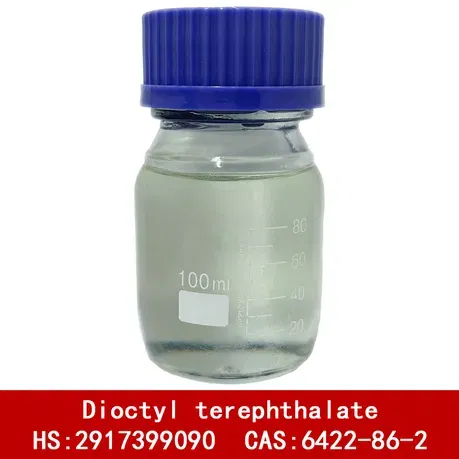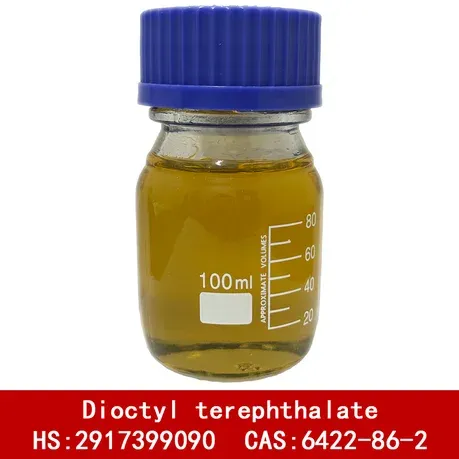

The global plasticizer industry is undergoing a fundamental transformation. As environmental regulations tighten worldwide and sustainability becomes a core priority across industries, DOTP (dioctyl terephthalate) has emerged as the definitive solution for manufacturers seeking high-performance, eco-friendly alternatives to traditional plasticizers.
Understanding DOTP: A Non-Phthalate Alternative
DOTP is a high-molecular-weight plasticizer derived from terephthalic acid and 2-ethylhexanol. Unlike conventional phthalate-based plasticizers such as DEHP or DOP, DOTP does not contain the problematic ortho-phthalate structure that has raised health concerns in recent decades.
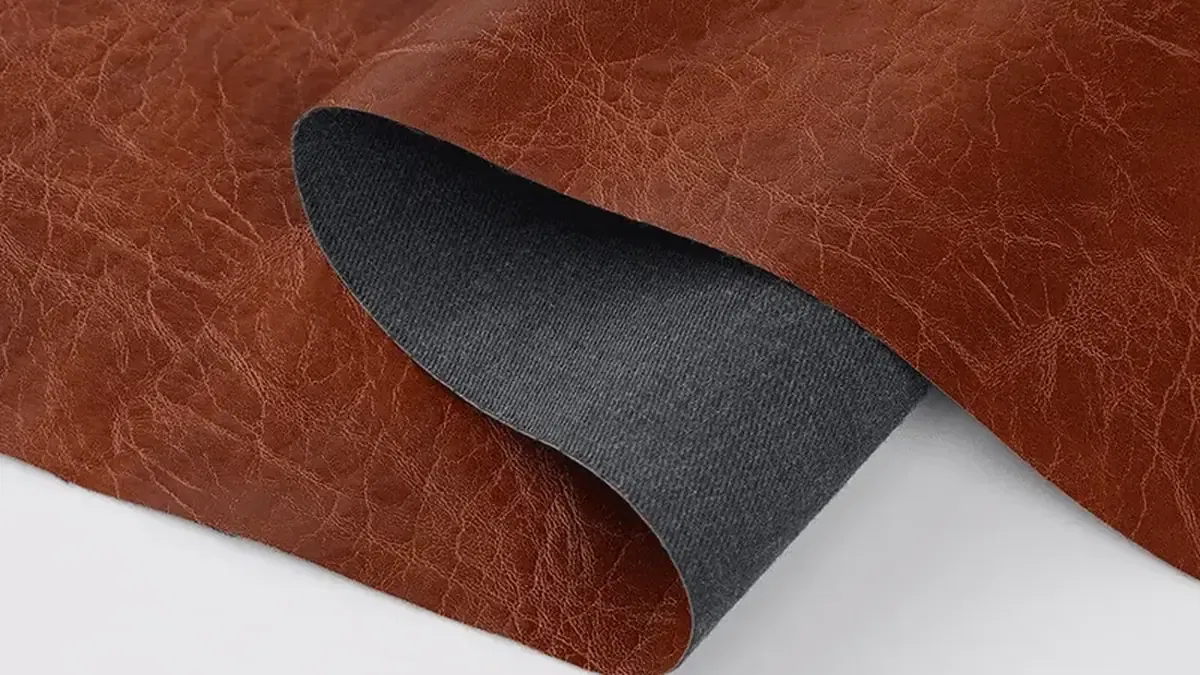
The chemical structure of DOTP provides superior performance in high-temperature applications, making it particularly valuable in wire and cable compounds, automotive interiors, and industrial vinyl flooring.
Environmental Benefits: Beyond Compliance
Reduced Toxicity Risks
DOTP demonstrates significantly lower toxicity profiles compared to traditional plasticizers. Research published by the European Chemicals Agency (ECHA) has classified certain ortho-phthalates as substances of very high concern (SVHC), while DOTP remains outside these classifications.
- Safer manufacturing environments: Reduced worker exposure risks and handling precautions
- Healthier end products: Lower migration rates and leachability in finished goods
- Regulatory flexibility: Products formulated with DOTP face fewer restrictions across global markets
- Brand protection: Helps manufacturers avoid negative publicity associated with phthalate controversies
Lower Carbon Footprint
The production of DOTP generates fewer greenhouse gas emissions per unit of plasticizing efficiency compared to conventional options. Advanced manufacturing processes, including catalyst optimization and energy recovery systems, have enabled leading producers to achieve carbon footprints that continue to improve year over year.
Support for Circular Economy
DOTP plays an increasingly important role in circular economy initiatives. Its compatibility with recycled PVC formulations enables manufacturers to incorporate higher percentages of recycled content while maintaining product performance.
- EU Green Deal targets: Requirements for recycled content in packaging and construction materials
- Corporate sustainability commitments: Brand owner pledges to increase recycled plastic usage
- End-of-life considerations: DOTP remains stable through recycling processes without degradation
Industry Applications: Driving Sustainable Solutions
Wire and Cable Manufacturing
The wire and cable industry represents one of the largest users of DOTP globally - learn more in our DOTP wire and cable application guide. Electric vehicles, in particular, demand plasticizers with exceptional thermal stability and electrical properties. DOTP's high Vicat softening point (approximately 175°C) ensures reliable performance in engine compartments and other high-temperature environments.
Flexible Packaging
Food contact applications represent a growing market for DOTP. Unlike some conventional plasticizers, DOTP does not require plasticizer migration to achieve desired flexibility, resulting in longer-lasting films with consistent mechanical properties.
Medical Devices
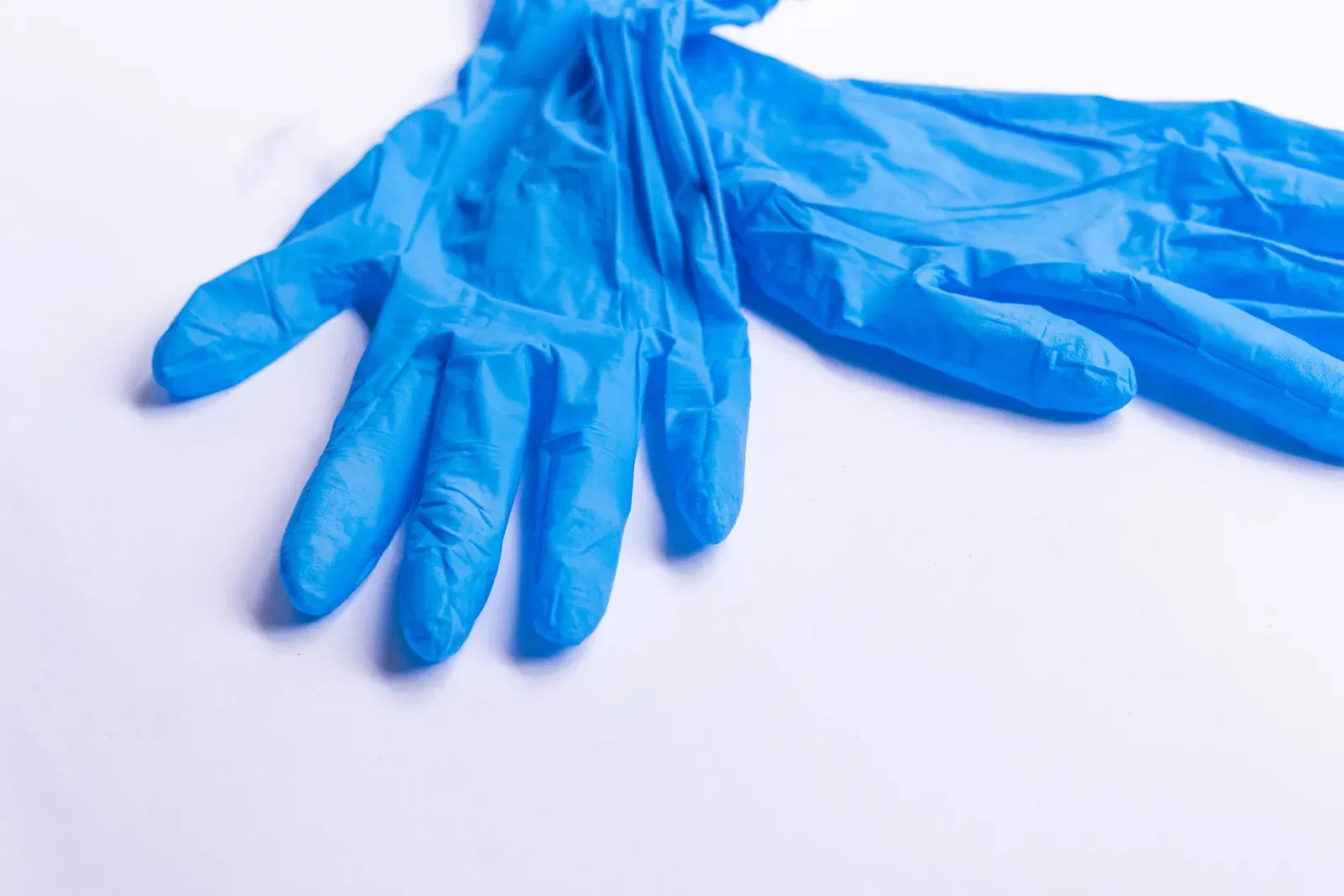
The medical device industry has embraced DOTP for tubing, bags, and other patient-contact products. Its biocompatibility profile and resistance to extraction by bodily fluids make it suitable for prolonged contact applications.
Performance vs. Environmental Impact: Making the Right Choice
| Parameter | DOTP | DEHP (Traditional) |
|---|---|---|
| Phthalate Content | None (non-phthalate) | Ortho-phthalate |
| REACH Status | Registered, no restrictions | Authorisation required |
| Thermal Stability | Excellent (up to 175°C) | Good (up to 160°C) |
| Migration Resistance | Very Low | Moderate |
| Recycled PVC Compatibility | Excellent | Limited |
The Path Forward: Industry Collaboration
Achieving meaningful sustainability improvements requires collaboration across the entire value chain:
- Invest in research: Develop next-generation DOTP formulations with even lower environmental impact
- Share best practices: Disseminate knowledge about processing optimizations and quality control
- Standardize testing: Establish consistent methodologies for measuring sustainability metrics
- Engage regulators: Provide technical input to ensure regulations achieve environmental goals
Conclusion: Investing in a Greener Future
DOTP represents more than just a replacement for restricted plasticizers - it embodies the principles of sustainable chemistry while delivering the performance manufacturers need. As regulations continue to evolve and consumer awareness grows, DOTP positions companies to meet both current requirements and future sustainability targets.
Switch to Sustainable DOTP Today
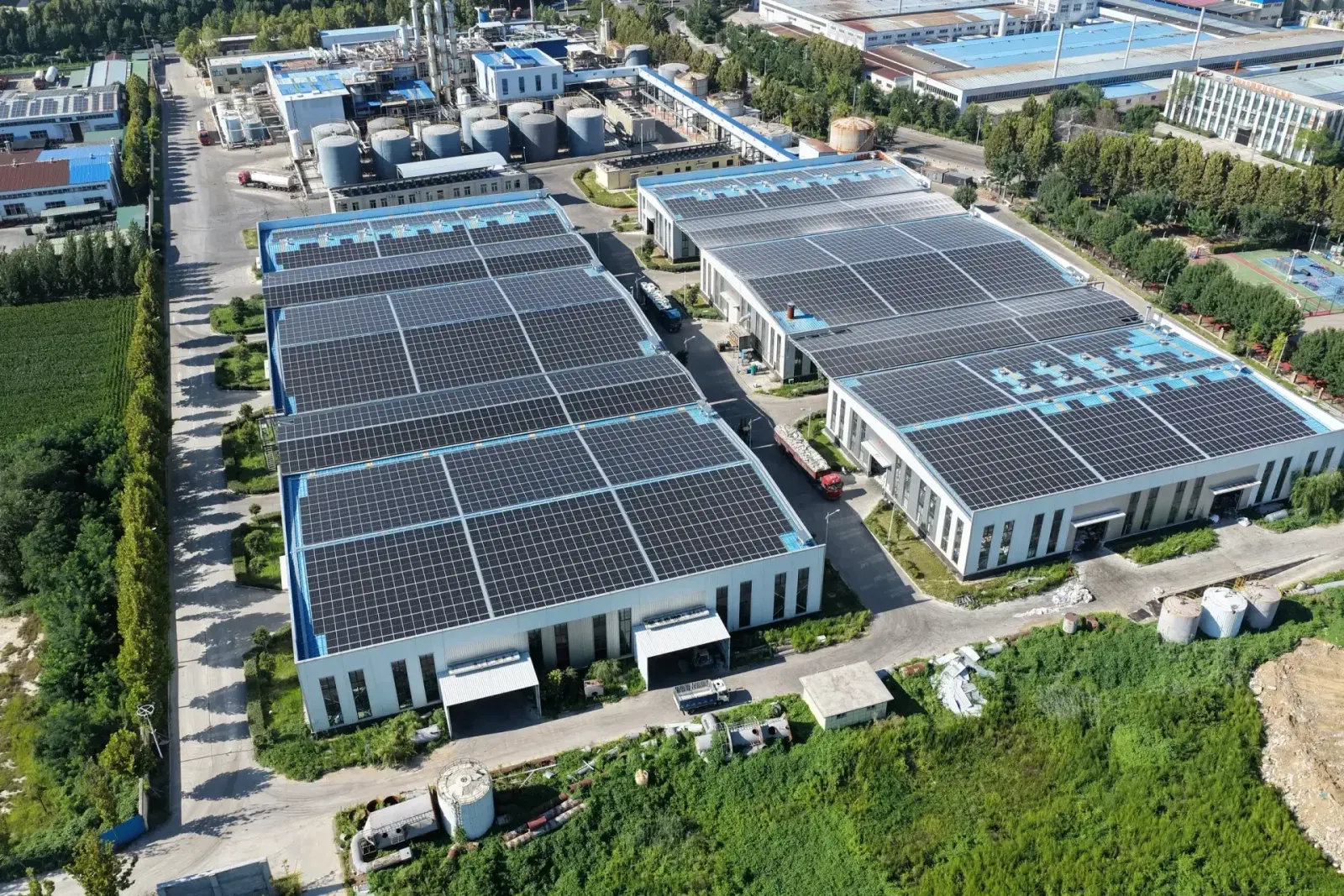
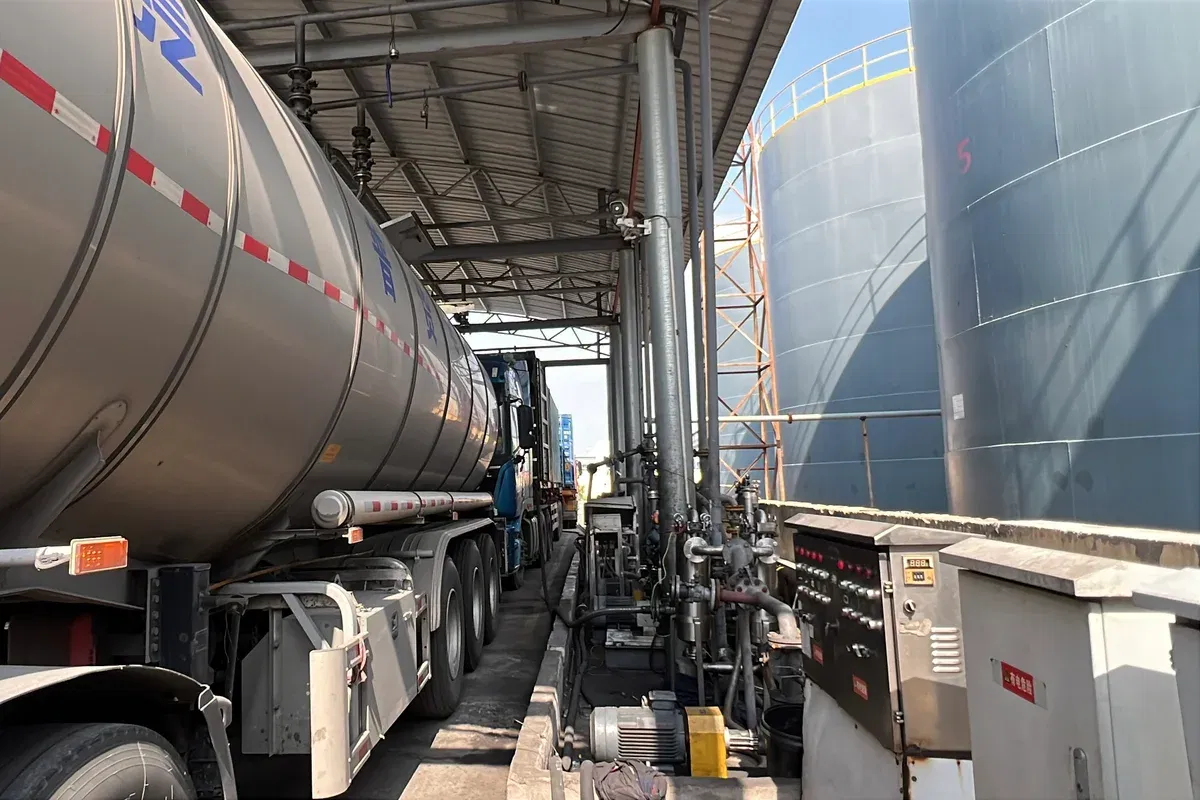
Shandong Changxing Plastic Additives is your trusted partner for sustainable plasticizer solutions. With ISO 9001:2015 and ISO 14001 certification and 230,000 tonnes of annual plasticizer capacity, we deliver premium DOTP that meets the highest environmental and performance standards.
Request a Free Quote- ✓Premium DOTP & DCP plasticizers with REACH/FDA compliance
- ✓230,000 tonnes annual plasticizer capacity with ISO 9001 & ISO 14001 certification
- ✓Global delivery to 30+ countries
- ✓Technical support and custom formulations available
Frequently Asked Questions
Is DOTP a phthalate plasticizer?
No. DOTP (dioctyl terephthalate) is a terephthalate, not an ortho-phthalate. Its ester groups are in the para position on the benzene ring, which gives it a fundamentally different toxicological profile from restricted phthalates like DEHP and DOP. DOTP is not classified as an SVHC under REACH.
What makes DOTP more sustainable than DEHP?
DOTP offers multiple sustainability advantages: it has significantly lower toxicity and migration rates, is compatible with recycled PVC formulations, does not require REACH authorization, and supports circular economy initiatives. Its higher thermal stability (up to 175°C) also extends product lifespan.
Can DOTP be used in food contact and medical applications?
Yes. DOTP is widely used in food contact packaging and medical devices (tubing, bags, patient-contact products) due to its low migration rates, biocompatibility, and resistance to extraction by bodily fluids. It meets regulatory requirements in the EU, US, and other major markets.
What is the Vicat softening point of DOTP?
DOTP has a Vicat softening point of approximately 175°C, which is higher than DEHP (approximately 160°C). This superior thermal stability makes DOTP particularly suitable for wire and cable applications, automotive interiors, and other high-temperature environments.
How does DOTP support the circular economy?
DOTP supports circular economy in two key ways: (1) it can be produced from recycled PET through chemical recycling, and (2) it remains stable through PVC recycling processes without degradation, enabling higher recycled content in new products. This aligns with EU Green Deal targets for recycled content in packaging and construction materials.
Explore how recycled PET is transformed into DOTP and learn about DOTP production technology at Shandong Changxing.