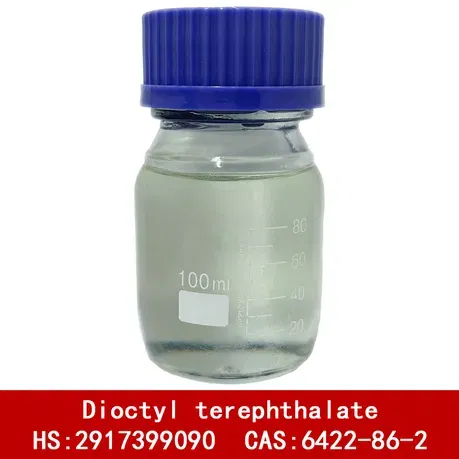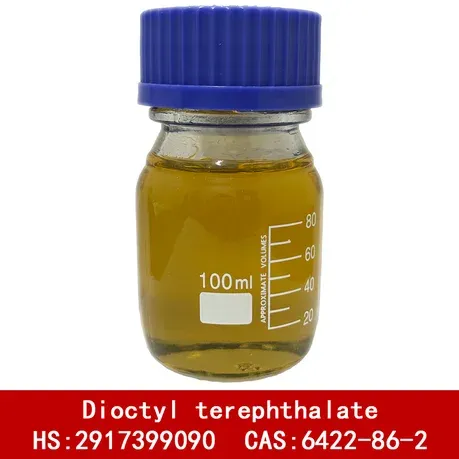

When selecting a plasticizer for PVC applications, engineers and procurement teams need precise physical and chemical property data - not marketing claims. Dioctyl terephthalate (DOTP, CAS 6422-86-2) has become the preferred non-phthalate alternative to DOP, but reliable technical data is often scattered across incomplete sources. This guide consolidates every key property - boiling point, density, flash point, viscosity, molecular weight, solubility, refractive index, and storage guidelines - in one reference, with verified data from Shandong Changxing's DOTP Safety Data Sheet (Version V2.0.0.1, Report No. THSD25121980034EN). For the complete safety classification and toxicology profile, see our DOTP MSDS and Safety Data Sheet guide.
DOTP at a Glance: Basic Identification
| Property | Value |
|---|---|
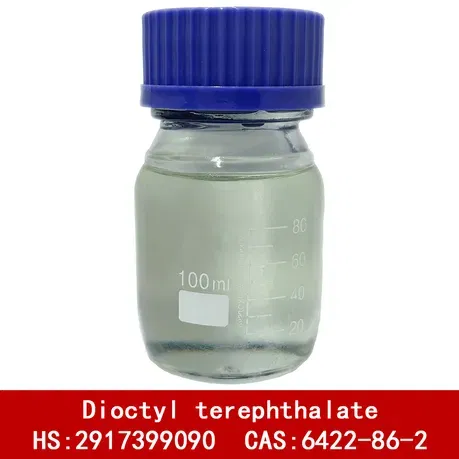
| Chemical Name | Dioctyl terephthalate (Bis(2-ethylhexyl) terephthalate) |
| Abbreviation | DOTP / DEHT / DEHTP |
| CAS Number | 6422-86-2 |
| EC Number | 229-176-9 |
| Molecular Formula | C₂₄H₃₈O₂ |
| Molecular Weight | 390.56 g/mol |
| HS Code | 2917399090 |
| Structural Type | Terephthalate ester (non-phthalate) |
A common source of confusion: despite the word "phthalate" in its name, DOTP is not a phthalate. Phthalates are ortho-phthalic acid esters; DOTP is a terephthalic acid ester (para-isomer). This structural difference eliminates the endocrine-disruption concerns associated with DOP and other ortho-phthalates, making DOTP compliant with REACH Entry 51/52, US CPSIA, and EU toy safety regulations.
Complete Physical and Chemical Properties
The following data is drawn from Shandong Changxing's official SDS (UN GHS 8th revised edition) and supplemented with industry-standard reference values where applicable.
| Property | Value | Significance for PVC Processing |
|---|---|---|
| Physical State | Oily liquid | Standard liquid plasticizer form; compatible with conventional pumping, metering, and mixing equipment |
| Colour | Colorless and transparent | No discoloration in transparent or white PVC products; visual purity indicator |
| Odour | Odourless | Suitable for indoor applications (flooring, wall coverings) and food-contact materials |
| Melting Point | ∆8 °C | Remains liquid at sub-zero temperatures; no crystallization during cold-weather storage or transport |
| Boiling Point | 383 °C (at 101.3 kPa) | Extremely high boiling point ensures negligible volatility loss during PVC compounding at 150–90 °C |
| Flash Point (Open Cup) | ≥10 °C | Well above processing temperatures; classified as non-flammable; no special fire-suppression required |
| Auto-Ignition Temperature | ~410 °C | Very high ignition threshold; safe for high-temperature processing environments |
| Relative Density (20 °C) | 0.980 - .986 g/cm³ | Slightly lighter than water; used for precise formulation calculations and quality verification |
| Kinematic Viscosity (20 °C) | ~80–0 mm²/s (cSt) | Higher viscosity than DOP (~78 cSt); contributes to better plastisol stability and reduced sag in coatings |
| Refractive Index (n²⁰D) | 1.485 - .489 | Close to PVC refractive index; produces transparent products with minimal haze |
| Vapour Pressure (20 °C) | <0.01 Pa | Negligible evaporation; minimal weight loss and fume generation during processing |
| Water Solubility (20 °C) | <0.01 g/L (practically insoluble) | No leaching in humid environments; stable in water-based applications |
| Partition Coefficient (log Kow) | ~8.40 | High lipophilicity; strong compatibility with PVC polymer matrix |
Boiling Point: Why 383 °C Matters for PVC Processing
DOTP's boiling point of 383 °C is one of its most technically significant properties. During PVC compounding, the material is typically processed at 150–90 °C. With a boiling point more than 190 °C above the maximum processing temperature, DOTP exhibits virtually zero volatility loss during manufacturing.
This has three practical consequences:
- Consistent formulation ratios: Unlike lower-boiling plasticizers that evaporate during mixing, DOTP stays in the compound at the designed concentration, ensuring predictable mechanical properties in the finished product.
- Reduced fume generation: Lower volatility means fewer plasticizer fumes in the workplace, improving air quality for operators and reducing the need for expensive ventilation systems.
- Long-term product stability: Products plasticized with DOTP show minimal plasticizer migration and weight loss over years of service, especially important for wire insulation, flooring, and roofing membranes exposed to elevated temperatures.
Flash Point ≥10 °C: Safety Advantage
The flash point of ≥10 °C (open cup method) places DOTP firmly in the non-flammable category. For comparison, many industrial solvents have flash points below 60 °C, requiring explosion-proof equipment and nitrogen blanketing. DOTP's high flash point means:
- No special fire-suppression systems required in storage areas
- No flammable-material handling permits needed in most jurisdictions
- Lower insurance premiums for warehouses storing DOTP versus low-flash-point chemicals
- Safe transport as non-dangerous goods under IMDG, IATA, and ADR regulations
This safety profile directly reduces operational costs and regulatory burden - a practical advantage that procurement teams often overlook when comparing only unit prices.
Density and Viscosity: Processing Implications
DOTP's density of 0.980 - .986 g/cm³ and kinematic viscosity of ~80–0 cSt at 20 °C are both slightly higher than DOP (density ~0.985 g/cm³, viscosity ~78 cSt). These differences have real processing implications:
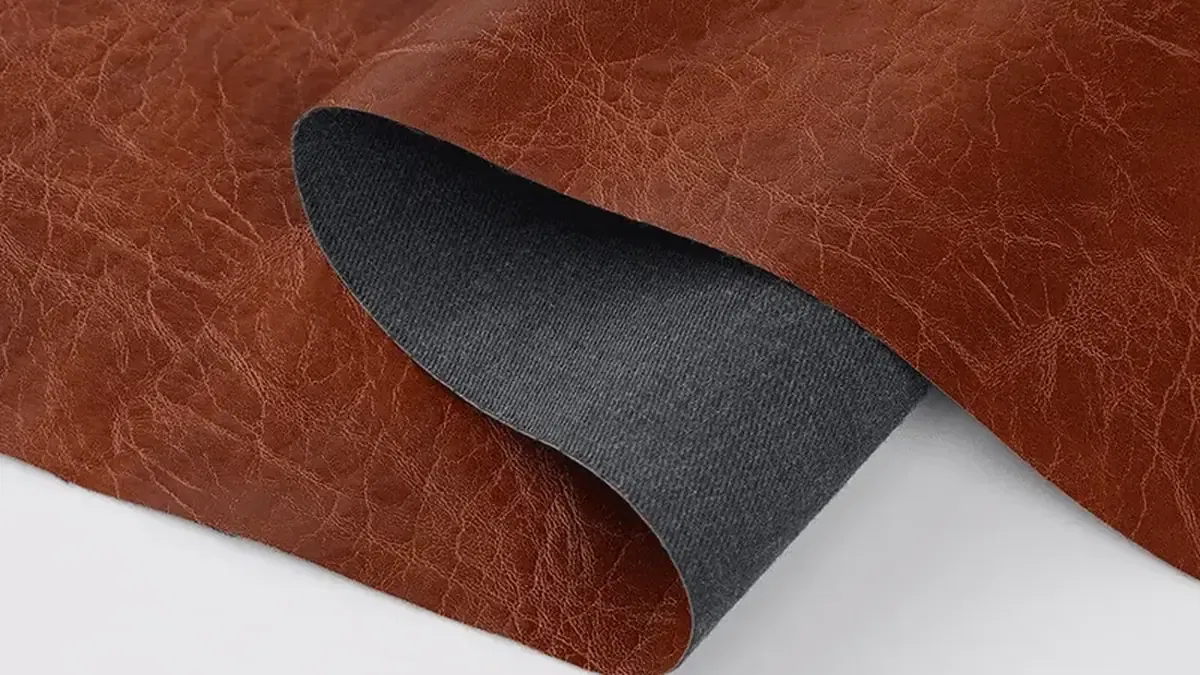
- Plastisol stability: Higher viscosity translates to better suspension stability in PVC plastisols, reducing settling during storage and improving coating uniformity in spread-coating applications (artificial leather, flooring).
- De-aeration: The slightly higher viscosity can slow de-aeration in plastisol processing. This is typically addressed by adjusting mixer speed or using a vacuum de-aeration step.
- Dosing accuracy: The consistent density allows precise volumetric dosing in automated compounding lines, with minimal batch-to-batch variation.
Solubility and Compatibility
DOTP is practically insoluble in water (<0.01 g/L at 20 °C) but fully miscible with common organic solvents and highly compatible with PVC resin. Its high log Kow (~8.40) indicates strong lipophilicity and excellent polymer-matrix affinity.
In practical terms, DOTP is compatible with:
- PVC homopolymer and copolymer resins
- Other plasticizers (can be blended with DINP, TOTM, or epoxidized soybean oil)
- Standard PVC stabilizers (Ca-Zn, Ba-Zn, tin-based)
- Fillers and pigments commonly used in PVC formulations
Water insolubility means DOTP-plasticized products resist leaching in humid or wet environments - critical for PVC flooring, geomembranes, and cable insulation exposed to moisture.
DOTP vs DOP: Key Property Differences
| Property | DOTP (CAS 6422-86-2) | DOP (CAS 117-81-7) |
|---|---|---|
| Chemical Type | Terephthalate ester (para-) | Phthalate ester (ortho-) |
| Molecular Weight | 390.56 g/mol | 390.56 g/mol |
| Boiling Point | 383 °C | 384 °C |
| Flash Point | ≥10 °C | ~200 °C |
| Density (20 °C) | 0.980 - .986 g/cm³ | 0.980 - .986 g/cm³ |
| Viscosity (20 °C) | ~80–0 cSt | ~78 cSt |
| GHS Classification | Not applicable | Repr. 1B (H360FD) |
| REACH Status | No restriction | Restricted (Entry 51/52) |
| CPSIA (US) | Permitted | Banned in children's products |
| Plastisol Viscosity Stability | Superior (less viscosity drift) | Moderate (higher viscosity drift over time) |
| Heat Resistance | Excellent | Good |
| Migration Resistance | Superior | Moderate |
While DOTP and DOP share the same molecular formula (C₂₄H₃₈O₂ and nearly identical physical properties, the regulatory and safety differences are decisive. DOTP's non-phthalate classification, unrestricted REACH status, and superior plastisol stability make it the logical choice for new product development and DOP substitution programs. For a deeper comparison, see our DOTP vs DOP comparison guide.
DOTP Storage Guide
Proper storage preserves DOTP's quality throughout the supply chain. Based on the SDS handling and storage recommendations:
- Temperature: Store at ambient temperature (5–0 °C). DOTP's melting point of ∆8 °C means it remains liquid even in cold climates; no heating is required.
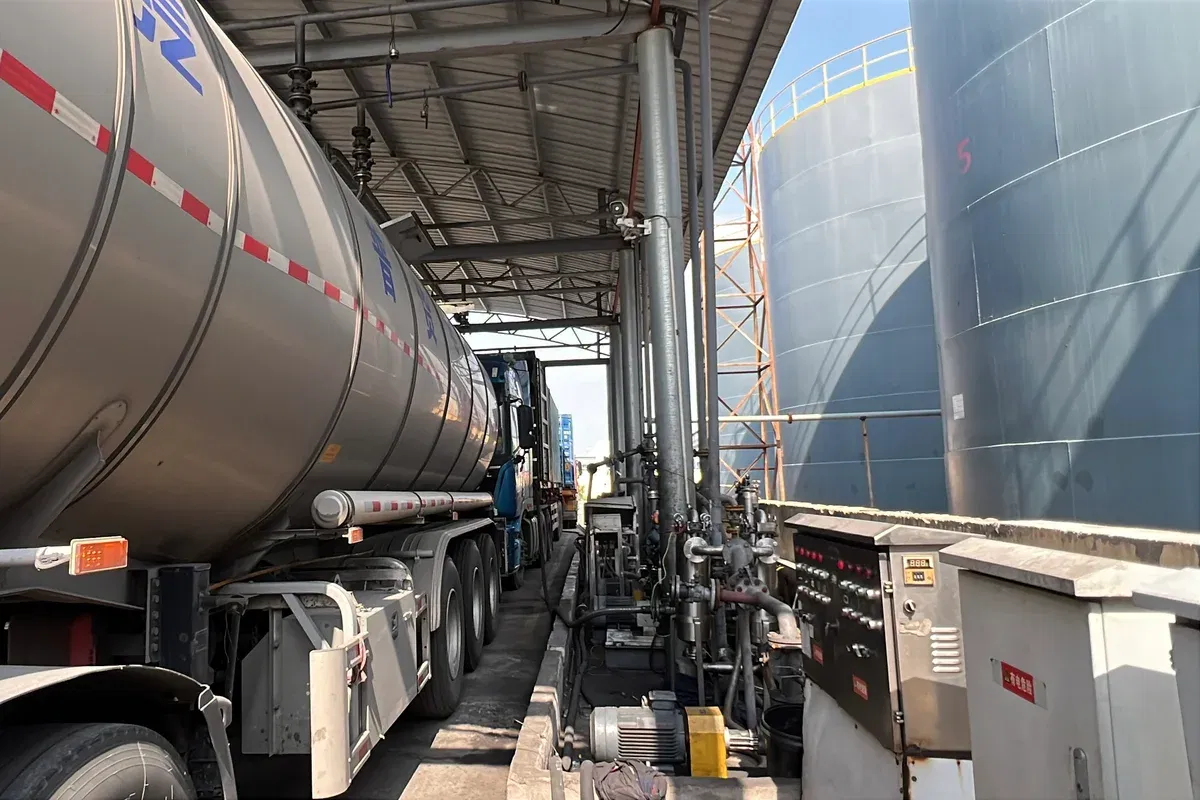
- Containers: Keep in original sealed containers. Compatible with carbon steel, stainless steel, and HDPE. Avoid copper and its alloys.
- Ventilation: No special ventilation required (negligible vapour pressure <0.01 Pa). General room ventilation is sufficient.
- Moisture: DOTP is practically insoluble in water, but prolonged water contact should be avoided to prevent contamination. Keep containers tightly sealed.
- Shelf life: When stored properly in sealed containers, DOTP has a shelf life of 24+ months with no significant change in properties.
- Segregation: No special segregation from other non-hazardous chemicals required. DOTP is not classified as dangerous goods for transport or storage.
- Fire protection: No special fire-suppression systems needed. Standard water spray, dry chemical, or foam extinguishers are suitable if a fire involves DOTP.
Quality Specifications: What to Verify
When purchasing DOTP, verify these key specifications against the supplier's Certificate of Analysis (COA):
| Parameter | Premium Grade | Qualified Grade | Why It Matters |
|---|---|---|---|
| Purity (Ester Content) | ≥98% | ≥98% | Higher purity = fewer impurities that could cause compliance failures |
| Colour (Pt-Co) | ≤150 | ≤450 | Lower colour = better for transparent and white PVC products |
| Acid Value (% as TPA) | ≥.035 | ≥.035 | Lower acid value = better thermal stability during processing |
| Density (20 °C, g/cm³) | 0.980 - .985 | 0.980 - .985 | Consistency check for batch quality |
| Flash Point (°C) | ≥10 | ≥10 | Safety and transport classification |
| Moisture (%) | ≥.1 | ≥.1 | Excess moisture causes bubbling in plastisol processing |
Always request a batch-specific COA and verify that the data matches the specifications above. For export to the EU and US, also request SGS test reports confirming phthalate-free status, EN 71-3 compliance, and PFAS-free certification.
Download Technical Documents
Download DOTP Technical Documents (PDF)
References and External Resources
- PubChem - Dioctyl Terephthalate (CAS 6422-86-2)
- ChemSpider - DOTP Chemical Structure
- UN Globally Harmonized System (GHS) - 9th Revised Edition
Frequently Asked Questions
What is the boiling point of DOTP?
DOTP has a boiling point of 383 °C (at 101.3 kPa / 760 mmHg). This is approximately 190 °C above the typical PVC processing temperature range of 150–190 °C, which means DOTP exhibits virtually zero volatility loss during compounding and processing.
What is the density of DOTP plasticizer?
DOTP has a relative density of 0.980–0.986 g/cm³ at 20 °C. This is slightly less than the density of water (1.0 g/cm³), which is important for storage tank design, shipping weight calculations, and precise volumetric dosing in automated compounding lines.
What is the flash point of DOTP and is it flammable?
DOTP has a flash point of ≥210 °C (open cup method) and an auto-ignition temperature of approximately 410 °C. Under the Globally Harmonized System (GHS) and IMDG/ADR/IATA transport regulations, DOTP is classified as non-flammable and can be shipped as non-dangerous goods.
What is the melting point of DOTP?
DOTP has a melting point (solidification point) of −48 °C. This extremely low freezing point means DOTP remains liquid even in sub-zero temperatures. It requires no heating during cold-weather storage or transport and provides excellent low-temperature flexibility in finished PVC products.
What is the molecular weight of DOTP (CAS 6422-86-2)?
DOTP (Dioctyl Terephthalate) has a molecular formula of C₂₄H₃₈O₄ and a molecular weight of 390.56 g/mol. It shares the same molecular weight as DOP (CAS 117-81-7) because both are structural isomers with identical atomic composition but different molecular arrangement (terephthalate vs. phthalate).
Is DOTP soluble in water?
No, DOTP is practically insoluble in water with a solubility of less than 0.01 g/L at 20 °C. However, it is fully miscible with common organic solvents such as acetone, toluene, and esters. Its water insolubility is beneficial for PVC applications exposed to moisture, preventing plasticizer leaching in products like flooring, geomembranes, and cable insulation.
What is the HS code for DOTP?
DOTP falls under HS code 2917.39 (aromatic polycarboxylic acids and their derivatives). In China, the 10-digit export HS code is 2917.39.90.90. The precise sub-classification may vary by importing country - always confirm with your customs broker before shipment.
Need Verified DOTP Technical Data or Samples?
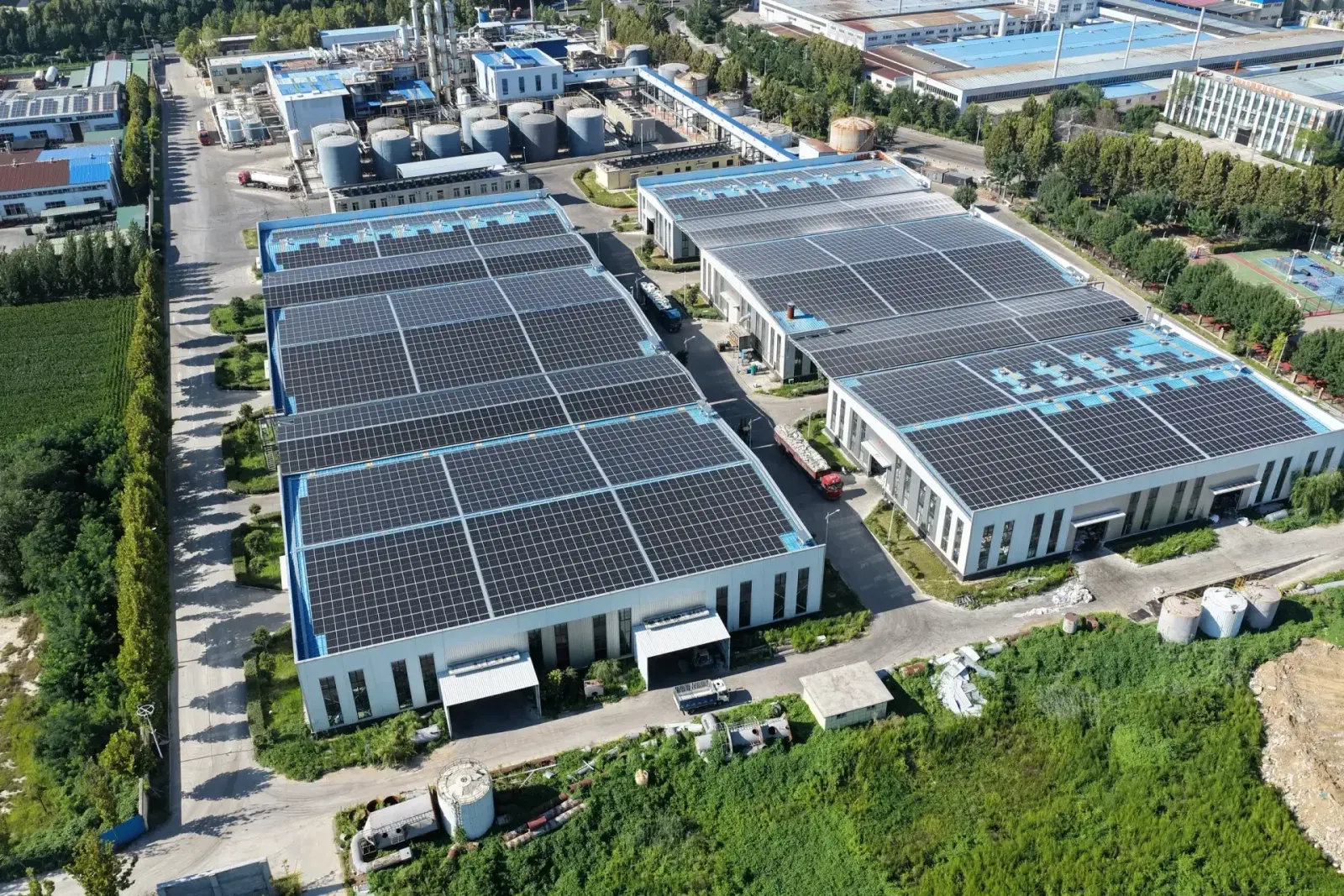
Shandong Changxing Plastic Additives Co., Ltd. is an ISO 9001/14001/45001/50001 certified manufacturer with 230,000 tonnes of annual plasticizer capacity. Batch-specific COA, SDS, REACH, RoHS, and SGS reports are available to qualified buyers. Request samples for your own laboratory verification.
Request DOTP Technical Data- ✓Purity: ≥9.8% (Premium Grade)
- ✓Flash Point: ≥10 °C
- ✓CAS: 6422-86-2 | MW: 390.56 g/mol
- ✓SGS Tested: Phthalate-free, EN 71-3, PFAS-free
- ✓Packaging: 200kg drums, IBC tanks, flexibags, ISO tanks