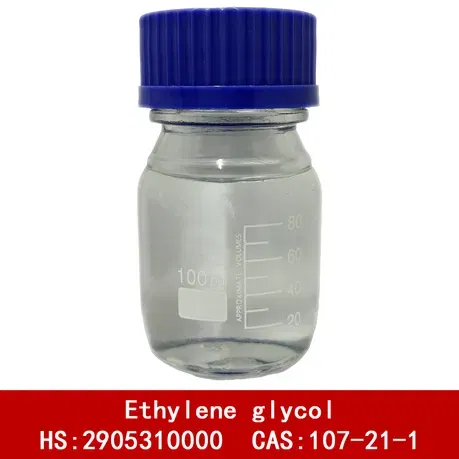

Ethylene Glycol (MEG) coolant is the backbone of industrial heat transfer systems worldwide — from automotive engines and heavy machinery to HVAC chillers and marine cooling loops. MEG (Ethylene Glycol, CAS 107-21-1), when blended with water and inhibitor packages, creates a heat transfer fluid that prevents freezing, raises the boiling point, and protects system metals from corrosion. For coolant formulators and industrial procurement teams seeking a reliable MEG supplier, understanding the types, applications, quality specifications, and sourcing criteria for industrial coolant MEG is essential for both operational reliability and cost optimization.
Key Takeaways
- Ethylene Glycol (MEG) coolant is a water-glycol blend that provides freeze protection down to −37 °C (at 50% concentration) and boil-over protection up to 108 °C, making it the most widely used industrial heat transfer fluid.
- Coolant-grade MEG requires purity ≥99.5 wt% with tight limits on chloride (≤1.0 ppm) and iron (≤0.5 ppm) — contaminants that accelerate corrosion and inhibitor depletion in cooling systems.
- Three main coolant types exist: conventional (IAT, 2–3 year life), heavy-duty OAT/HOAT (5+ year life), and pre-mixed ready-to-use formulations — each suited to different engine metallurgy and maintenance schedules.
- MEG coolants serve four major industrial sectors: automotive (engine cooling), HVAC (chiller and thermal storage), marine (engine and equipment cooling), and manufacturing (process cooling, injection molding).
- Shandong Changxing Plastic Additives supplies coolant-grade MEG with ISO 9001/14001/45001/50001 certification and 300,000 tons annual capacity, complete with SDS and CoA documentation for every shipment.
Types of MEG-Based Coolants: Conventional, Pre-Mixed, and Heavy-Duty
Not all MEG-based coolants are the same. The choice of coolant ethylene glycol formulation depends on engine metallurgy, operating temperature range, maintenance intervals, and regulatory requirements. The coolant industry categorizes MEG-based coolants into three broad types based on inhibitor technology and concentration:
| Coolant Type | Inhibitor Technology | Typical MEG Content | Service Life | Best For |
|---|---|---|---|---|
| Conventional (IAT) | Inorganic Acid Technology — silicates, phosphates, borates | 30–50% | 2–3 years | Older vehicles, cast-iron engines, cost-sensitive fleets |
| OAT (Organic Acid) | Organic Acid Technology — 2-EHA, sebacate, benzoate | 30–50% | 5+ years | Modern aluminum engines, extended drain intervals |
| HOAT (Hybrid) | Hybrid OAT — OAT + silicates or phosphates | 30–50% | 4–5 years | European/Asian OEM specs, mixed-metal systems |
| Heavy-Duty (HD) | OAT or HOAT + nitrite/molybdate SCAs | 40–60% | 5–8 years | Diesel engines, wet-sleeve liners, stationary generators |
| Pre-Mixed / RTU | Any of the above, pre-diluted | 50% (fixed) | Same as base type | Convenience, eliminates mixing errors, retail/aftermarket |
The distinction between IAT, OAT, and HOAT is fundamental to coolant formulation. IAT coolants use inorganic inhibitors — primarily silicates and phosphates — that form a protective film on metal surfaces rapidly but deplete over 2–3 years. OAT coolants use organic acid corrosion inhibitors that activate more slowly but last significantly longer (5+ years), making them the dominant technology for modern vehicles with aluminum radiators, cylinder heads, and heater cores. HOAT coolants bridge the two approaches: combining the fast-acting protection of silicates or phosphates with the long-life durability of organic acids. For a deeper look at how these inhibitor packages work across different applications, see our MEG antifreeze applications guide.
Note: Heavy-duty diesel coolants require supplemental coolant additives (SCAs) containing nitrite and molybdate to protect wet-sleeve cylinder liners from cavitation corrosion — a failure mode unique to diesel engines that OAT-only coolants cannot address.
Industrial Applications of Ethylene Glycol Coolant
MEG coolant systems are deployed across virtually every sector where heat must be moved efficiently from one location to another. While automotive engine cooling is the most visible application, industrial coolant MEG serves critical roles in HVAC, marine, and manufacturing operations where downtime from overheating or freezing is measured in thousands of dollars per hour.
Automotive Engine Cooling
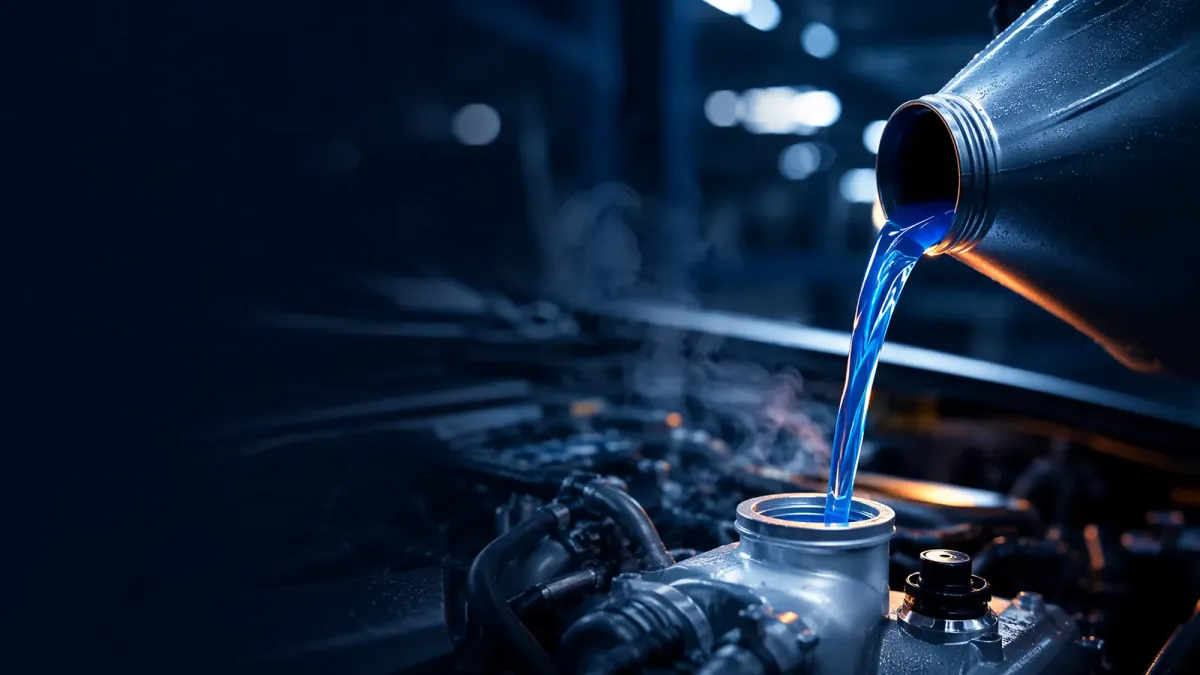
Automotive cooling systems represent the largest single market for MEG coolant by volume. A typical passenger vehicle cooling system holds 6–12 liters of 50% MEG coolant, while heavy trucks and buses require 40–80 liters. The coolant circulates through the engine block, cylinder head, radiator, and heater core, transferring combustion heat — roughly 30% of fuel energy — to the atmosphere. Modern engines operate at 90–105 °C coolant temperature, which a 50% MEG solution (boiling point ~108 °C at atmospheric pressure, higher under radiator cap pressure) comfortably accommodates without boiling.
Key automotive coolant requirements include ASTM D3306 (light-duty), ASTM D6210 (heavy-duty), and OEM-specific standards such as VW TL 774, MB 325.0, Ford WSS-M97B44-D, and JIS K 2234. Each standard specifies inhibitor chemistry, metal corrosion limits, and compatibility with engine seals and gaskets.
HVAC and Chiller Systems
Commercial HVAC systems use MEG coolant in two primary configurations: closed-loop chilled water systems (where MEG prevents freeze damage in cooling coils exposed to sub-zero outdoor air) and thermal energy storage (TES) systems (where MEG-water brine circulates through ice storage tanks). Typical MEG concentration in HVAC applications is 25–35% — sufficient for freeze protection to −10 to −15 °C, which covers most temperate-climate installations.
Data center liquid cooling is an emerging high-growth application. Direct-to-chip and immersion cooling systems for high-density server racks use 20–30% MEG solutions with deionized water to maintain stable coolant temperatures of 25–35 °C while preventing corrosion of copper cold plates and nickel-plated fittings. The global data center liquid cooling market is projected to exceed USD 8 billion by 2028, driving significant incremental demand for high-purity MEG.
Marine Engine and Equipment Cooling
Marine cooling systems present unique challenges: seawater exposure, constant vibration, and the need for reliable operation far from service facilities. Marine engines — from small auxiliary generators to large propulsion diesels — use MEG coolant in either keel-cooled (closed-loop) or heat-exchanger (raw-water) configurations. MEG concentration is typically 40–50% for freeze and boil-over protection.
Marine-grade coolants must meet additional requirements beyond automotive standards: resistance to seawater contamination (chloride ingress through heat exchanger leaks), compatibility with copper-nickel heat exchanger tubes, and extended service intervals (vessels may operate for months without coolant changes). Leading marine coolant specifications include ASTM D4985 (low-silicate for heavy-duty engines) and MIL-PRF-46153 (military-grade antifreeze).
Manufacturing and Process Cooling
Manufacturing facilities use MEG coolant in process cooling loops for injection molding machines, extrusion lines, welding equipment, air compressors, and hydraulic power units. Unlike automotive and HVAC applications where the coolant is the primary heat transfer medium, manufacturing process cooling often uses MEG as a secondary coolant — circulating through a chiller or cooling tower loop where water alone would risk freezing in cold climates or in low-temperature processes such as plastic injection mold temperature control (typically 10–30 °C mold surface temperature).
Process cooling systems are typically large — 2,000 to 20,000 liters of coolant — and operate 24/7 for years between fluid changes. This makes coolant stability, inhibitor longevity, and biological resistance (preventing bacterial and fungal growth in the coolant) critical performance factors. Industrial coolant manufacturers formulate with broad-spectrum biocides and extended-life inhibitor packages specifically for these high-uptime applications.
Quality Specifications for Coolant-Grade MEG
Not all MEG is suitable for coolant production. Coolant ethylene glycol formulations require MEG that meets stringent purity and contaminant limits — specifications that go beyond standard industrial-grade MEG. The following table summarizes the key quality parameters for coolant-grade MEG and why each matters:
| Parameter | Coolant Grade Spec | Standard Reference | Why It Matters |
|---|---|---|---|
| MEG Purity | ≥99.5 wt% | ASTM E202 | Lower purity introduces DEG (Diethylene Glycol) and TEG that reduce freeze point depression efficiency |
| Water Content | ≤0.10 wt% | ASTM E203 | Excess water skews the final coolant concentration and freeze point |
| Chloride (as Cl⁻) | ≤1.0 ppm | ASTM D512 | Chloride causes pitting corrosion of aluminum radiators and heater cores |
| Iron (as Fe) | ≤0.5 ppm | ASTM D1068 | Iron accelerates inhibitor depletion and forms sludge in cooling passages |
| DEG Content | ≤0.50 wt% | ASTM E202 | DEG (Diethylene Glycol) increases toxicity profile without improving coolant performance |
| Acidity (as Acetic Acid) | ≤0.005 wt% | ASTM D1613 | Acidic MEG depletes alkaline inhibitor buffers and lowers coolant pH |
| Color (Pt-Co) | ≤15 | ASTM D1209 | Visual quality indicator; discoloration signals oxidation or contamination |
| CAS Number | 107-21-1 | — | Identity verification for SDS, customs, and regulatory documentation |
Beyond base MEG quality, coolant performance is governed by finished-product standards. The most important are ASTM D3306 (standard specification for ethylene glycol base engine coolant), ASTM D6210 (heavy-duty engine coolant), BS 6580 (UK coolant standard), and JIS K 2234 (Japanese coolant standard). Each standard specifies corrosion test requirements using metal coupon immersion tests — aluminum, copper, solder, brass, steel, and cast iron — with mass loss typically below 30 mg per coupon after two weeks of immersion at 88 °C (per ASTM D3306 limits).
Shandong Changxing Plastic Additives supplies coolant-grade MEG that meets or exceeds all these specifications. Our ISO 9001-certified quality management system ensures batch-to-batch consistency, with complete Certificate of Analysis (CoA) and Safety Data Sheet (SDS) documentation provided for every shipment.
Sourcing MEG Coolant: What to Look For
Selecting a reliable MEG coolant supplier is a procurement decision with direct consequences for production quality, supply chain continuity, and end-customer satisfaction. Coolant formulators and industrial buyers should evaluate potential MEG suppliers across five key dimensions:
1. Purity Consistency and Documentation
The most critical supplier attribute is batch-to-batch purity consistency. MEG purity variation of even 0.3% across shipments forces coolant formulators to adjust inhibitor dosing — adding labor cost, quality risk, and potential off-spec production. Reliable suppliers provide CoA documentation with every shipment, showing actual test results for purity, water content, chloride, iron, DEG, acidity, and color. Third-party testing capability (SGS, Bureau Veritas, Intertek) adds an additional layer of quality assurance.
2. Production Capacity and Supply Reliability
Coolant manufacturing is seasonal — production ramps up in Q2–Q3 for Q4 winter demand in the Northern Hemisphere. A supplier with 300,000 tons annual capacity (like Shandong Changxing) can absorb seasonal demand spikes without allocation or delayed shipments. For perspective on MEG market dynamics that affect supply availability, refer to our MEG price trends analysis.
3. Packaging and Logistics Options
MEG is supplied in multiple packaging formats to match different production scales:
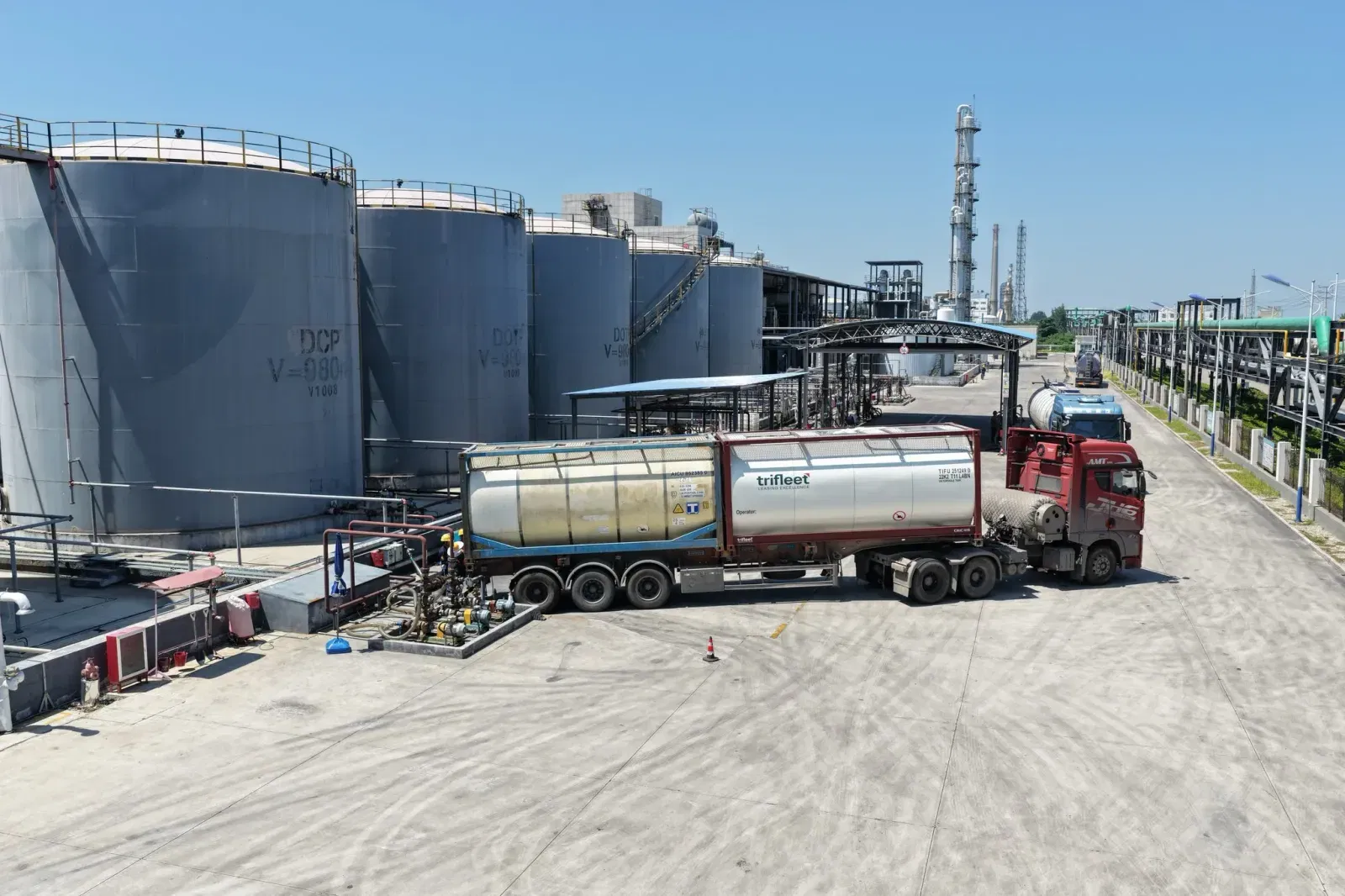
- ISO Tank Containers (24–26 tons): Most cost-effective for high-volume coolant manufacturers. Lower per-ton logistics cost by 15–20% compared to IBC totes.
- IBC Totes (1,000–1,200 kg): Standard for medium-volume production. Stackable, forklift-compatible, reusable.
- Steel/Plastic Drums (220–230 kg): Suitable for small-batch production, pilot formulations, or remote-location deliveries.
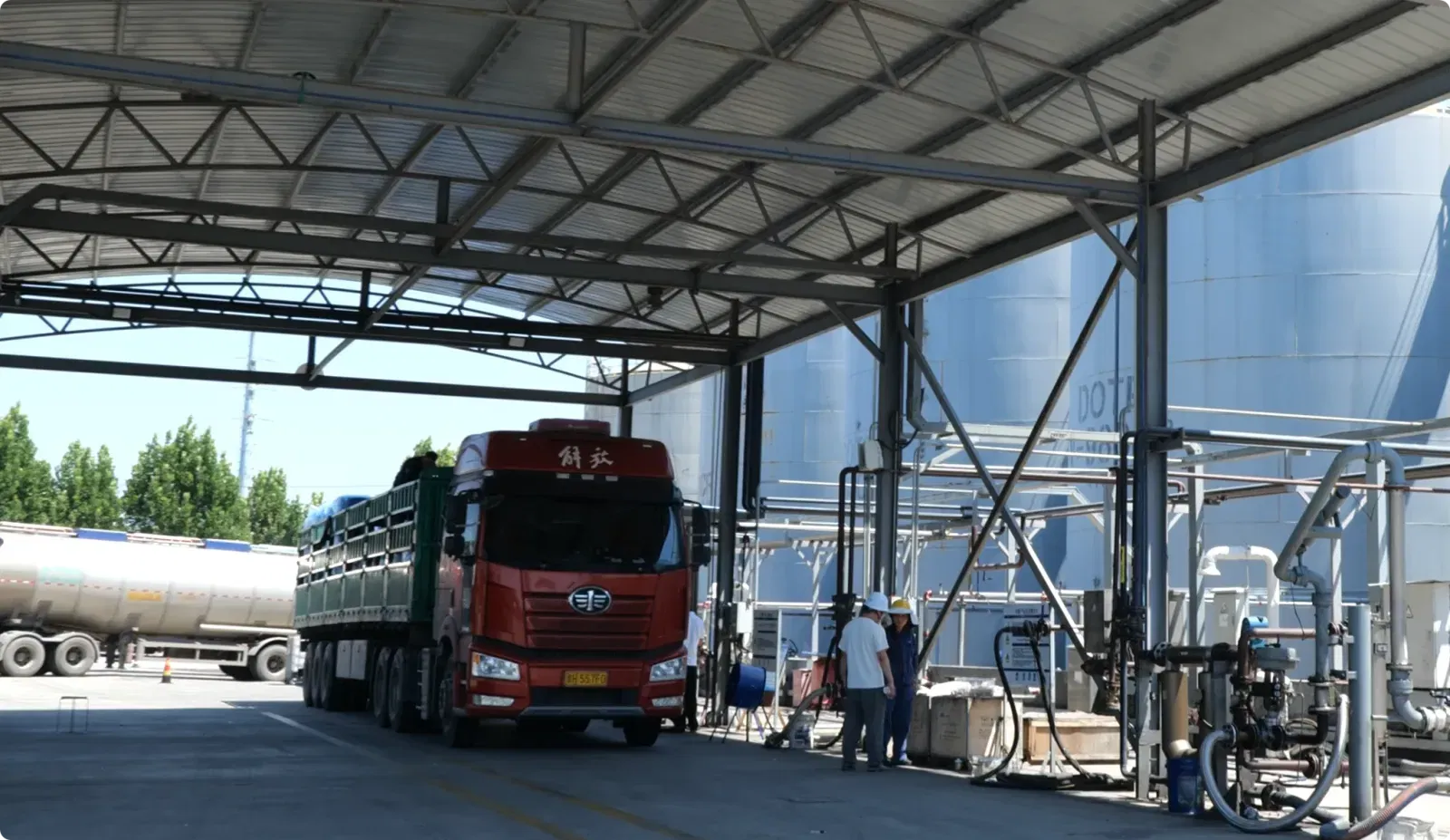
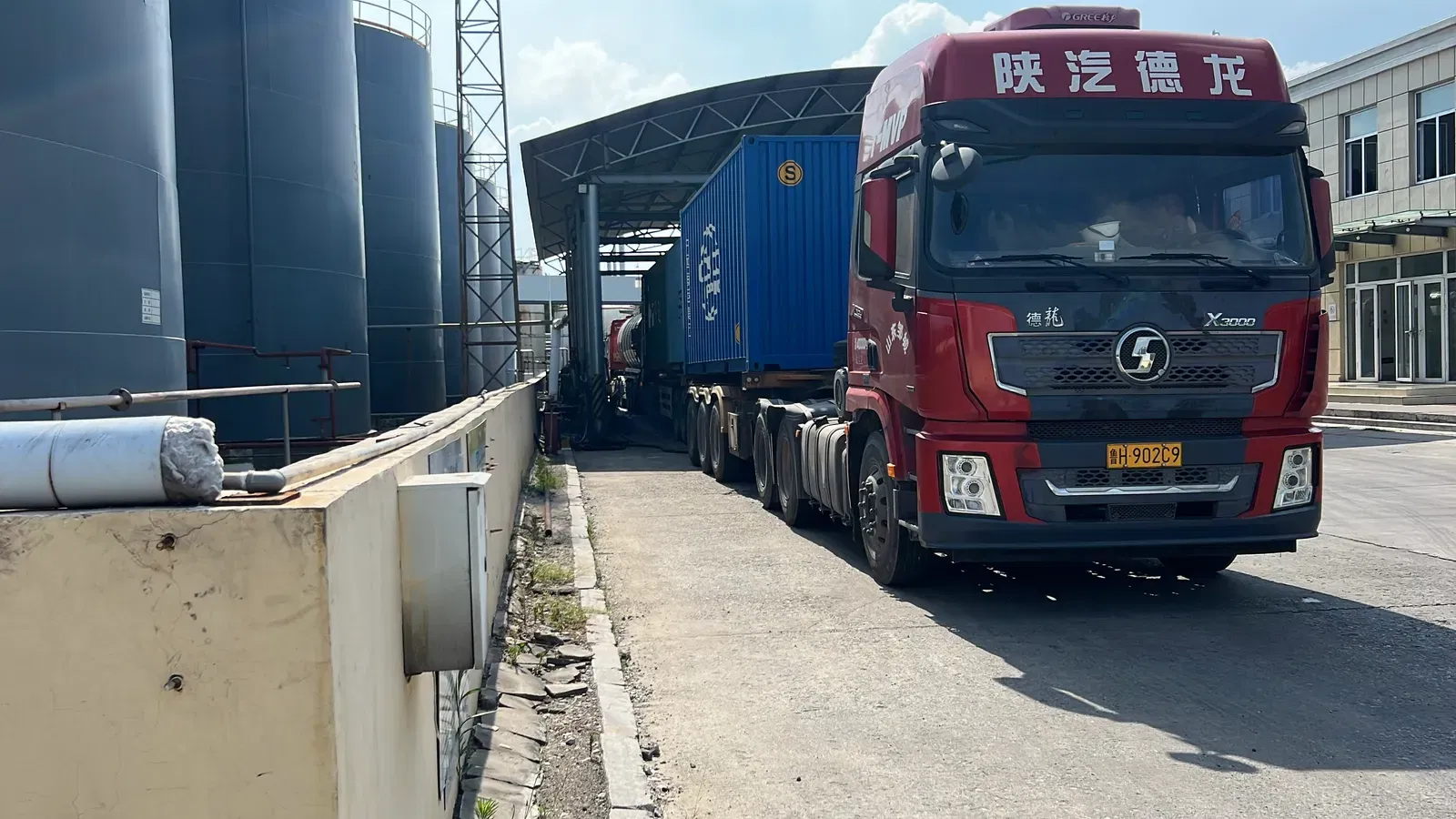
- Bulk Tanker (20–30 tons road tanker): For domestic/regional delivery to large coolant manufacturing plants with on-site bulk storage.
Suppliers should offer CIF (Cost, Insurance, Freight) and FOB (Free on Board) terms to accommodate different buyer logistics preferences. Delivery lead times from major Asian production hubs to key markets range from 15–25 days (Asia-Pacific), 25–35 days (Middle East/Europe), and 30–40 days (Americas/Africa).
4. Regulatory Compliance and Certifications
Coolant-grade MEG must comply with multiple regulatory frameworks depending on the destination market. Key certifications and compliance requirements include:
- ISO 9001 (Quality Management): Ensures documented quality processes and traceability from production batch to shipment.
- ISO 14001 (Environmental Management): Demonstrates environmental compliance in production — increasingly required by European and North American buyers.
- ISO 45001 (Occupational Health & Safety): Confirms safe production practices and worker protection.
- ISO 50001 (Energy Management): Indicates energy-efficient production — relevant for buyers with ESG reporting requirements.
- REACH (EU): Registration, Evaluation, Authorization of Chemicals — mandatory for MEG supplied to the European market.
- GHS-compliant SDS: Globally Harmonized System safety data sheets in English and destination-country languages.
Shandong Changxing Plastic Additives holds ISO 9001, 14001, 45001, and 50001 certification — a four-system quality and sustainability assurance framework that meets the compliance requirements of coolant manufacturers in North America, Europe, and Asia-Pacific markets.
5. Technical Support and Application Knowledge
The best MEG suppliers provide more than just product — they offer technical support on coolant formulation, inhibitor compatibility, and quality troubleshooting. Suppliers with deep application knowledge can help coolant manufacturers optimize inhibitor packages for specific MEG purity profiles, troubleshoot off-spec coolant batches, and navigate evolving regulatory requirements. This technical partnership becomes especially valuable when entering new regional markets with different coolant standards (e.g., JIS K 2234 for Japan, BS 6580 for UK, or IS 5759 for India).
MEG Coolant vs. Other Coolant Types
While Ethylene Glycol coolant dominates the global market, two alternative coolant base fluids — propylene glycol (PG) and glycerin — serve specific niches. Understanding the trade-offs helps coolant formulators and industrial buyers make informed decisions:
| Property | Ethylene Glycol (MEG) | Propylene Glycol (PG) | Glycerin |
|---|---|---|---|
| Freeze point (50% solution) | −37 °C (−35 °F) | −32 °C (−26 °F) | −23 °C (−9 °F) |
| Heat transfer efficiency | Excellent | Good (~10% lower than MEG) | Moderate (~25% lower than MEG) |
| Viscosity at −20 °C | ~8 cP | ~18 cP (higher pumping energy) | ~30 cP (significantly higher) |
| Toxicity | Moderate (LD₅₀ ~4,700 mg/kg) | Low (LD₅₀ ~20,000 mg/kg) | Very low (food-grade available) |
| Cost per ton (relative) | Base (100%) | 120–140% of MEG | 90–110% of MEG (varies with biodiesel market) |
| Primary applications | Automotive, HVAC, marine, industrial | Food processing, breweries, marine (where low toxicity required) | Food-grade systems, niche eco-friendly applications |
| Market share | ~85% of global coolant market | ~12% | ~3% |
MEG's dominance — approximately 85% market share — is driven by three factors: superior heat transfer efficiency (lower viscosity at low temperatures means less pump energy and better cold-start circulation), lower cost (PG typically costs 20–40% more per ton), and decades of established OEM approval across automotive, heavy-duty, and industrial cooling system specifications. PG is reserved for applications where low toxicity is a regulatory or safety requirement: food processing plants, breweries, marine potable water systems, and applications where accidental ingestion risk cannot be mitigated through engineering controls.
For industrial cooling systems where fire resistance is the primary safety concern rather than toxicity — such as steel mill hydraulic systems — MEG-based water-glycol fluids (ISO HFC class) are the industry standard. These systems are covered in detail in our MEG hydraulic fluid and industrial coolant guide.
Conclusion: MEG Coolant — The Proven Standard for Industrial Heat Transfer
Ethylene Glycol (MEG) coolant has earned its position as the global standard for industrial heat transfer through a combination of thermodynamic performance, cost efficiency, and formulation flexibility that no alternative base fluid matches. From automotive engine cooling to HVAC chiller systems, from marine propulsion to manufacturing process cooling, MEG-based coolants protect billions of dollars of industrial equipment from freezing, overheating, and corrosion every day.
For coolant formulators and industrial buyers, the quality of MEG directly determines the quality of the finished coolant. Chloride contamination above 1.0 ppm causes aluminum radiator pitting; iron above 0.5 ppm accelerates inhibitor depletion; purity variation across batches forces formulation adjustments that add cost and quality risk. Specifying MEG with purity ≥99.5%, chloride ≤1.0 ppm, and iron ≤0.5 ppm — and sourcing from a supplier with the certifications and capacity to deliver batch-to-batch consistency — is the foundation of reliable coolant production.
Shandong Changxing Plastic Additives Co., Ltd. delivers coolant-grade MEG that meets these exacting standards, backed by ISO 9001/14001/45001/50001 certification and 300,000 tons annual capacity. Whether you are formulating conventional green coolant, extended-life OAT coolant, or heavy-duty diesel coolant, our MEG provides the purity and consistency your formulations demand.
Frequently Asked Questions
What is MEG coolant and how does it work?
MEG coolant is a heat transfer fluid made by blending Ethylene Glycol (CAS 107-21-1) with water and inhibitor packages. The glycol lowers the freezing point (a 50% solution protects to −37 °C) and raises the boiling point (~108 °C at atmospheric pressure), while inhibitors protect aluminum, copper, steel, and cast iron from corrosion. It is the most widely used industrial heat transfer fluid, holding roughly 85% of the global coolant market.
What MEG purity is required for coolant-grade applications?
Coolant-grade MEG requires purity of ≥99.5 wt% per ASTM E202, with chloride ≤1.0 ppm (ASTM D512), iron ≤0.5 ppm (ASTM D1068), water ≤0.10 wt% (ASTM E203), and DEG ≤0.50 wt%. Chloride above 1.0 ppm causes pitting corrosion of aluminum radiators, while iron above 0.5 ppm accelerates inhibitor depletion and forms sludge in cooling passages.
What is the difference between IAT, OAT, and HOAT coolants?
IAT (Inorganic Acid Technology) uses silicates and phosphates for fast-acting protection but depletes in 2–3 years. OAT (Organic Acid Technology) uses organic acids such as 2-EHA and sebacate that last 5+ years and dominate modern aluminum engines. HOAT (Hybrid OAT) combines OAT with silicates or phosphates for 4–5 year service life and meets European/Asian OEM specs. Heavy-duty diesel variants add nitrite/molybdate SCAs for wet-sleeve liner cavitation protection, with service life of 5–8 years.
What ASTM standards apply to MEG-based engine coolants?
The primary ASTM standards are ASTM D3306 (light-duty engine coolant specification), ASTM D6210 (heavy-duty engine coolant, fully formulated with nitrite/molybdate SCAs), and ASTM D4985 (low-silicate heavy-duty coolant requiring supplemental coolant additives). Regional equivalents include BS 6580 (UK), JIS K 2234 (Japan), and IS 5759 (India). All specify metal coupon corrosion tests (aluminum, copper, solder, brass, steel, cast iron) with mass loss typically below 30 mg per coupon after two weeks at 88 °C (per ASTM D3306 limits).
How does MEG compare to propylene glycol (PG) as a coolant?
MEG holds ~85% of the global coolant market versus ~12% for PG. MEG offers superior heat transfer efficiency (viscosity ~8 cP vs ~18 cP at −20 °C, meaning less pump energy), lower cost (PG typically costs 20–40% more per ton), and decades of OEM approvals. PG (LD₅₀ ~20,000 mg/kg) is reserved for applications where low toxicity is regulatory or safety-critical — food processing, breweries, and marine potable water systems — where MEG's moderate toxicity (LD₅₀ ~4,700 mg/kg) is unacceptable.
What is the typical MEG concentration for different applications?
Automotive engine cooling uses 30–50% MEG (50% provides freeze protection to −37 °C and boil-over protection to 108 °C). Heavy-duty diesel systems use 40–60%. HVAC chilled water and thermal energy storage use 25–35% (freeze protection to −10 to −15 °C). Data center liquid cooling uses 20–30% MEG with deionized water. Marine systems use 40–50% for combined freeze and boil-over protection under seawater exposure.
Ready to Source Premium MEG?
Shandong Changxing Plastic Additives Co., Ltd. is an ISO 9001 certified manufacturer with 300,000 tons annual capacity. We supply coolant-grade MEG (≥99.5% purity, CAS 107-21-1) to coolant formulators and industrial buyers worldwide.
- ✓ ISO 9001 / 14001 / 45001 / 50001 certified — four-system quality assurance
- ✓ National "Little Giant" enterprise — recognized technology leadership
- ✓ Complete SDS, CoA, and GHS documentation for every shipment
- ✓ CIF / FOB terms available — flexible logistics for global delivery