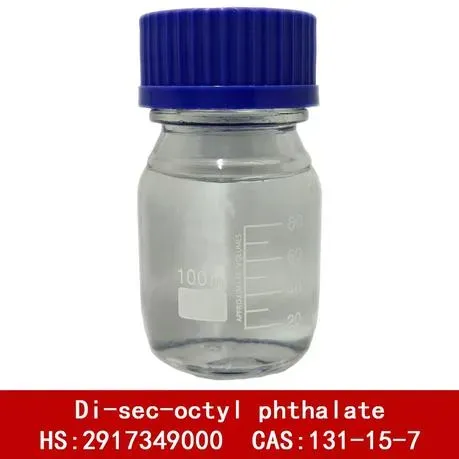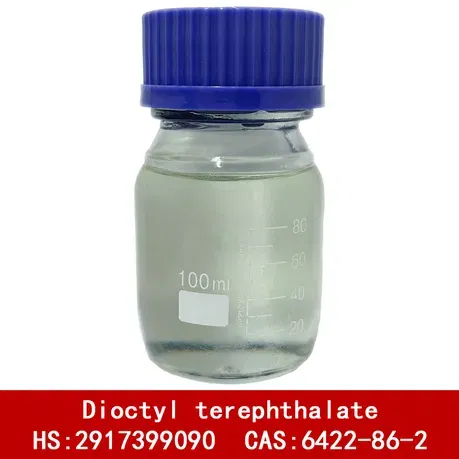

In the PVC plasticizer industry, DCP (Dioctyl Phthalate, specifically di-secondary-octyl phthalate) and DOP (Di(2-ethylhexyl) Phthalate, DEHP) are two of the most commonly discussed general-purpose plasticizers. They share the same molecular formula and are structural isomers, yet subtle differences in alcohol structure lead to meaningful performance distinctions. This article explores why DCP can effectively replace DOP in most general PVC applications. For a non-phthalate alternative, see our complete guide to DOTP plasticizer.
Key Takeaways
- ✓DCP and DOP are structural isomers (C₂₄H₃₈O₂ - same formula, different alcohol structure
- ✓DCP can replace DOP on an equal-weight (phr-for-phr) basis in most general PVC applications
- ✓DCP offers lower cost (sec-octanol is a sebacic acid by-product), better viscosity stability, and superior heat/weather resistance
- ✓Both DCP and DOP are ortho-phthalate esters - for non-phthalate compliance, use DOTP
- ✓DCP is not recommended for regulated applications (toys, medical, food contact) due to phthalate restrictions
I. Chemical Structure: The Nature of Isomers
| Property | DOP (DEHP) | DCP (Di-sec-octyl phthalate) |
|---|---|---|
| Full Name | Di(2-ethylhexyl) phthalate | Di-sec-octyl phthalate |
| Molecular Formula | C₂₄H₃₈O₂ | C₂₄H₃₈O₂ |
| Molecular Weight | ~390.6 | ~390.6 |
| Alcohol Structure | 2-ethylhexanol (branched primary alcohol) | sec-octanol (straight-chain secondary alcohol) |
| CAS No. | 117-81-7 | 131-15-7 |
Both DCP and DOP are synthesized from phthalic anhydride + C₂alcohol via esterification. The only difference lies in the structure of the octanol used: branched-chain primary alcohol (2-ethylhexanol) versus straight-chain secondary alcohol (sec-octanol). This makes them structural isomers with identical molecular formulas but different molecular arrangements and polarity distributions.
II. Performance Comparison: Similar, Yet Not Identical
| Performance Index | DCP vs DOP | Notes |
|---|---|---|
| Plasticizing Efficiency | Essentially equivalent | 67 phr in 100 PVC: Shore A 70 (DOP) vs 73 (DCP) |
| Compatibility | Good | Compatible with PVC, nitrocellulose, chlorinated rubber; no bleeding at 9:1 to 1:1 ratios |
| Heat Resistance | DCP superior | Better thermal stability |
| Light/Weather Resistance | DCP superior | Slightly better outdoor aging performance |
| Viscosity Stability | DCP significantly better | Ideal for plastisols; minimal viscosity change during long-term storage |
| Electrical Insulation | DCP better | Suitable for cable compounds |
| Price/Cost | DCP lower | Raw material from sebacic acid by-product sec-octanol; higher cost-performance ratio |
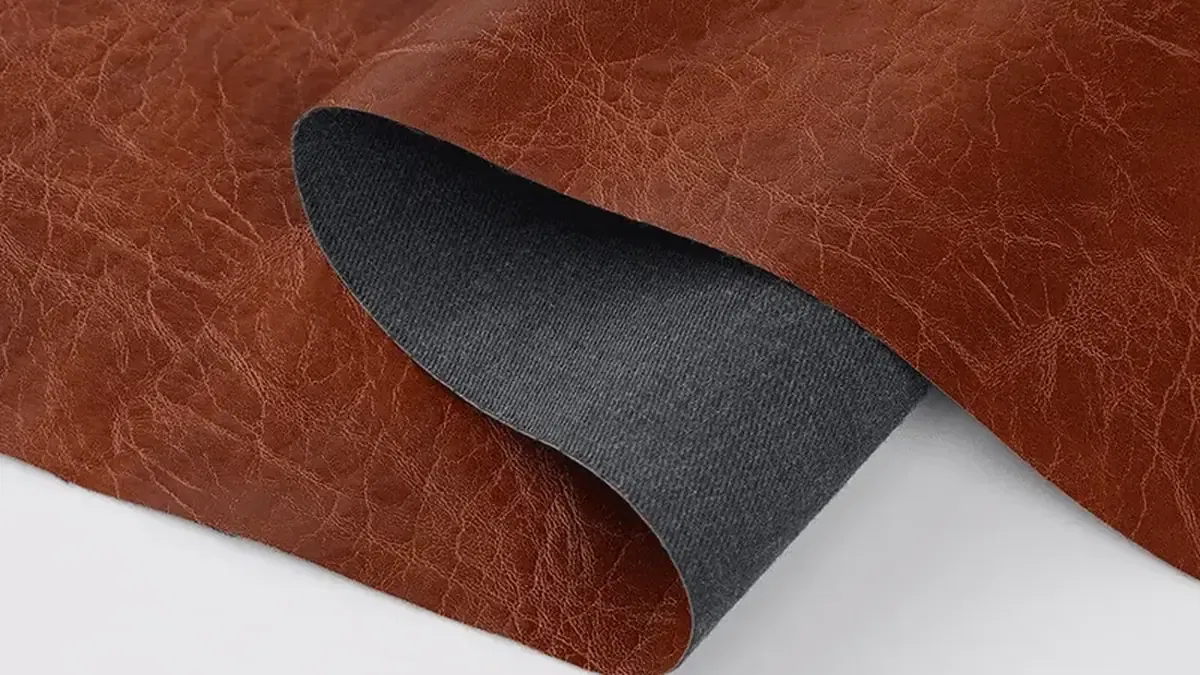
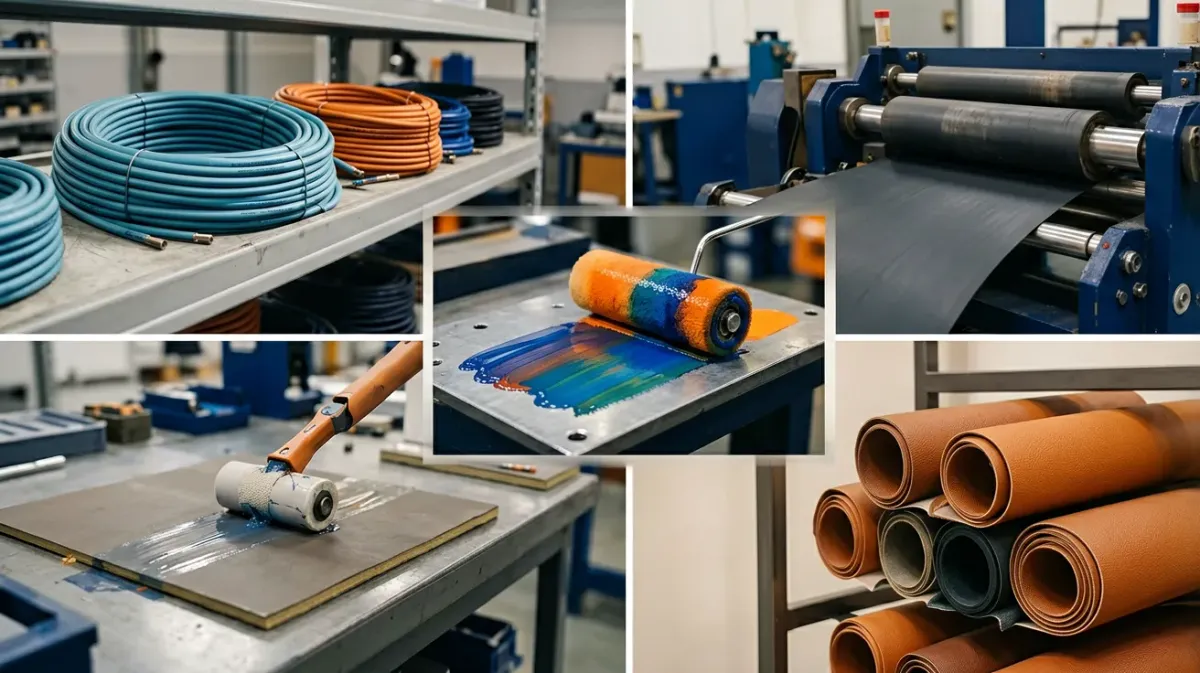
Conclusion: In general-purpose PVC soft products (such as cable compounds, artificial leather, floor mats, conveyor belts), DCP can replace DOP on an equal-weight basis with very similar performance.
III. Why Can DCP Replace DOP? Industrial Logic
1. Cost-Performance Advantage
The raw material for DCP, sec-octanol, is a by-product of sebacic acid production. Sebacic acid is derived from natural castor oil, meaning part of the DCP supply chain relies on renewable resources. This makes the raw material cost lower than DOP's 2-ethylhexanol route, and the market price of DCP is typically more competitive. Learn more about 2-octanol and its industrial applications.
2. Circular Economy Attribute
Using sebacic acid by-product alcohol to produce DCP represents a form of "waste utilization." It reduces petrochemical resource consumption and aligns with the green circular economy policy orientation. This is one reason why DCP is encouraged at the policy level.
3. Unique Advantage in Plastisol Applications
DCP's outstanding viscosity stability makes it particularly suitable for PVC plastisols used in coating, dipping, and slush molding processes. In fact, DCP performs even better than DOP in these applications - a key selling point.
IV. Recommended Applications and Limitations
✓Recommended: Use DCP to Replace DOP
- General PVC soft products: cable compounds, PVC conveyor belts, artificial leather, floor leather, mats, foot pads
- Plastisol systems: coating, slush molding, drip molding products
- Applications where viscosity stability during storage is critical
- Cost-sensitive, high-volume PVC manufacturing
✓Not Recommended: Use DOTP Instead
- Children's toys and childcare articles (EN 71-3, CPSIA)
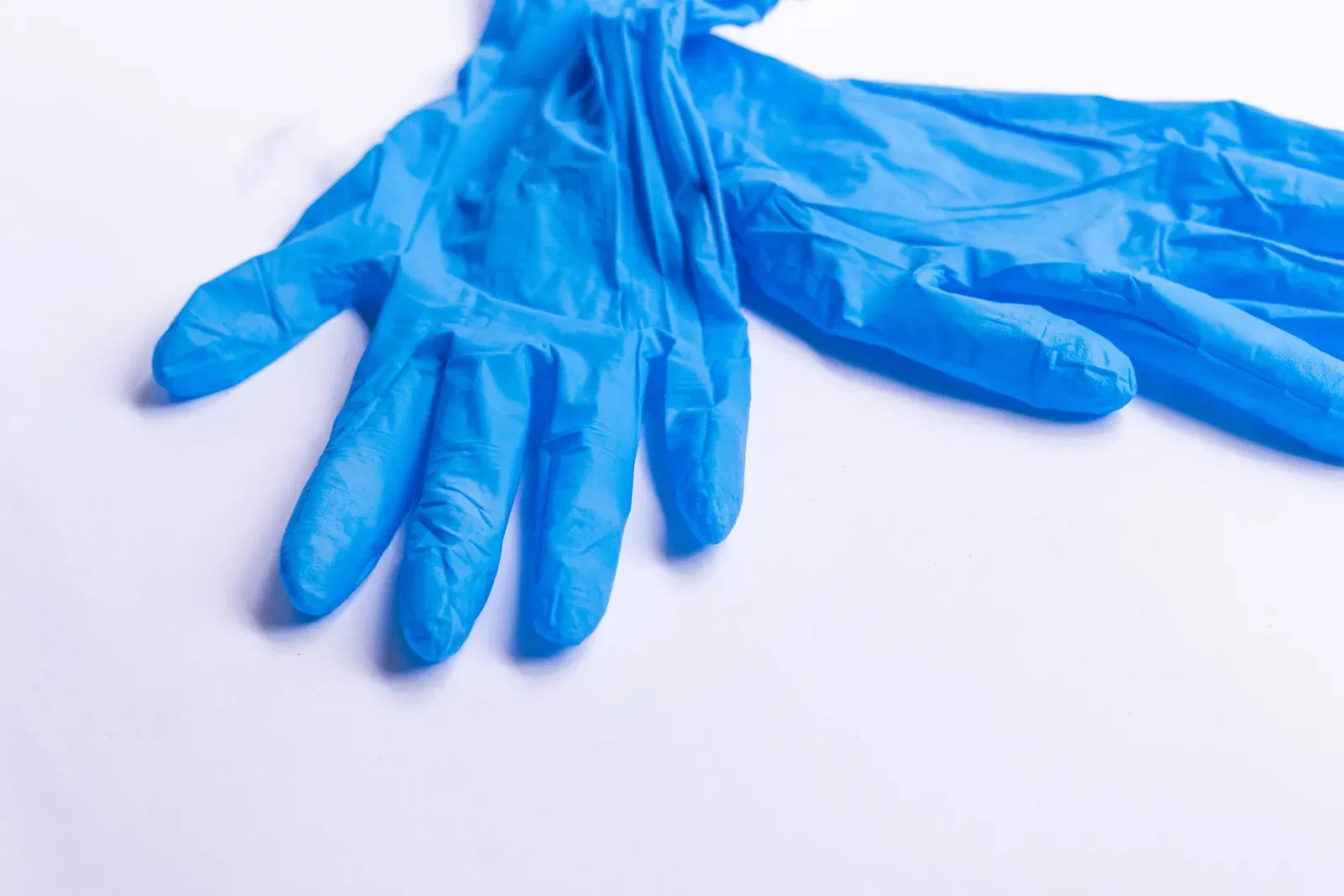
- Medical devices and food-contact PVC (FDA, EU 10/2011)
- Applications requiring REACH non-phthalate compliance
- Export to regions with strict phthalate bans (EU, US, Japan)
For these applications, DOTP provides a phthalate-free alternative.
Important regulatory note: Both DCP and DOP are ortho-phthalate esters subject to increasing regulatory restrictions worldwide. The EU REACH regulation, US CPSIA, and similar frameworks restrict phthalates in toys, childcare articles, and food-contact materials. For applications requiring non-phthalate compliance, DOTP (dioctyl terephthalate) is the recommended alternative. See our phthalate-free plasticizer transition guide for a complete compliance roadmap.
V. Conclusion: Choosing the Right Plasticizer for Your PVC Application
DCP and DOP are structural isomers that deliver nearly identical plasticizing performance in general-purpose PVC applications. DCP's advantages - lower cost, superior viscosity stability for plastisols, and better heat and weather resistance - make it the preferred choice for cost-conscious manufacturers of cable compounds, artificial leather, floor coverings, and plastisol-based products. However, both are ortho-phthalate esters subject to regulatory restrictions in sensitive applications. For non-phthalate compliance, DOTP provides a phthalate-free alternative. Learn more about 2-octanol, the key feedstock for DCP production.
References and External Resources
- ECHA - REACH Restrictions on Phthalates
- PubChem - Di-sec-octyl Phthalate (DCP)
- U.S. CPSC - Phthalate Regulations
Frequently Asked Questions
Can DCP replace DOP in PVC formulations?
Yes. DCP (di-sec-octyl phthalate) and DOP (DEHP) are structural isomers with the same molecular formula (C₂₄H₃₈O₂. In most general-purpose PVC soft products - cable compounds, artificial leather, floor mats, conveyor belts - DCP can replace DOP on an equal-weight (phr-for-phr) basis with very similar plasticizing performance.
What are the advantages of DCP over DOP?
DCP offers three key advantages: (1) lower cost - its feedstock sec-octanol is a by-product of sebacic acid production from castor oil; (2) superior viscosity stability - ideal for PVC plastisol applications with minimal viscosity change during long-term storage; (3) better heat and weather resistance - DCP outperforms DOP in thermal stability and outdoor aging performance.
Is DCP a phthalate like DOP?
Yes, both DCP and DOP are ortho-phthalate esters. However, DCP uses a straight-chain secondary alcohol (sec-octanol, CAS 123-96-6) while DOP uses a branched primary alcohol (2-ethylhexanol, CAS 104-76-7). This structural difference gives DCP different physical properties despite the identical molecular formula. For non-phthalate alternatives, consider DOTP (dioctyl terephthalate).
What applications is DCP best suited for?
DCP excels in: general PVC soft products (cable compounds, conveyor belts, artificial leather, floor coverings, mats), plastisol systems (coating, slush molding, drip molding), and any application where viscosity stability during storage is critical. Its cost advantage makes it particularly attractive for high-volume, cost-sensitive PVC manufacturing.
Where can I buy DCP plasticizer?
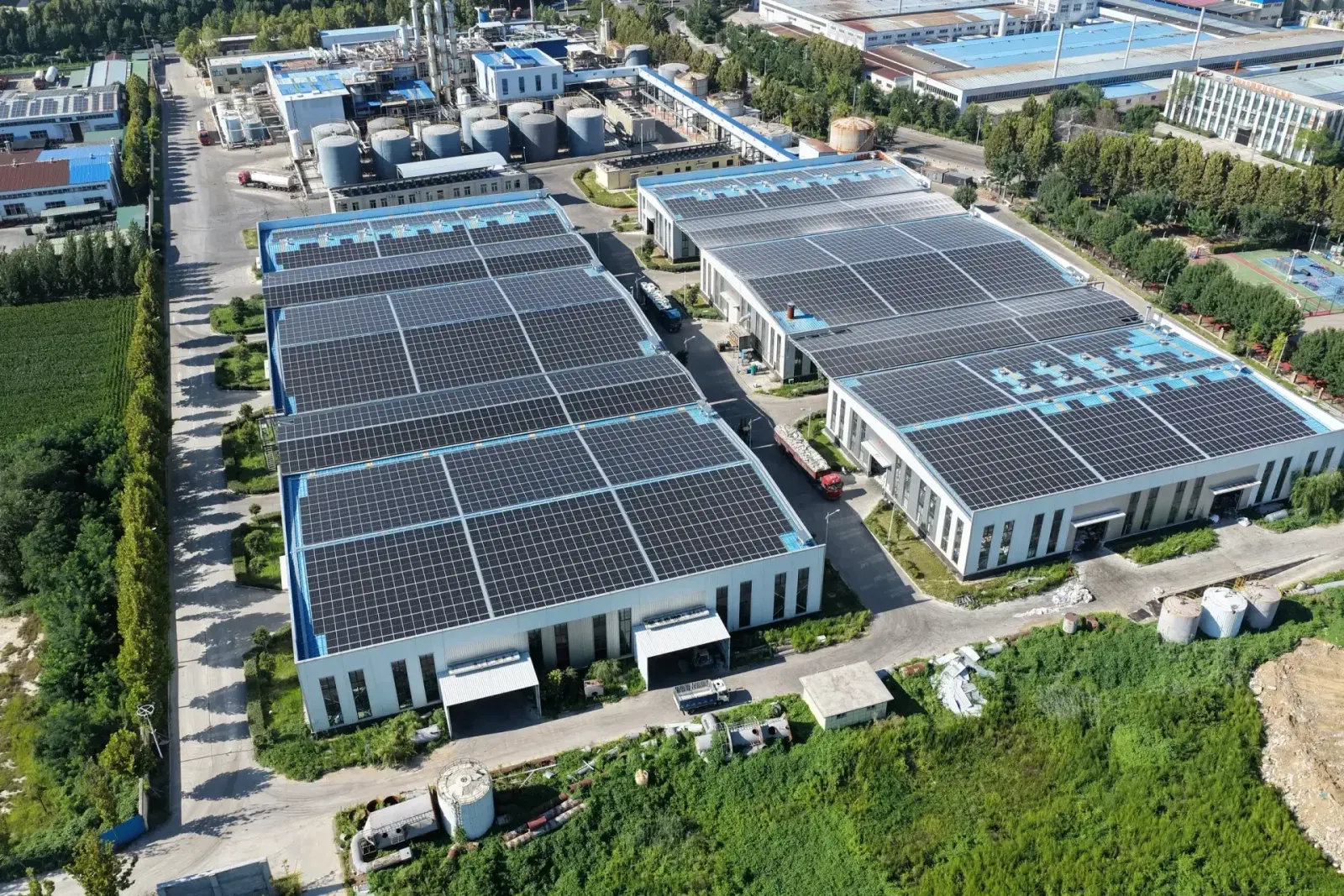
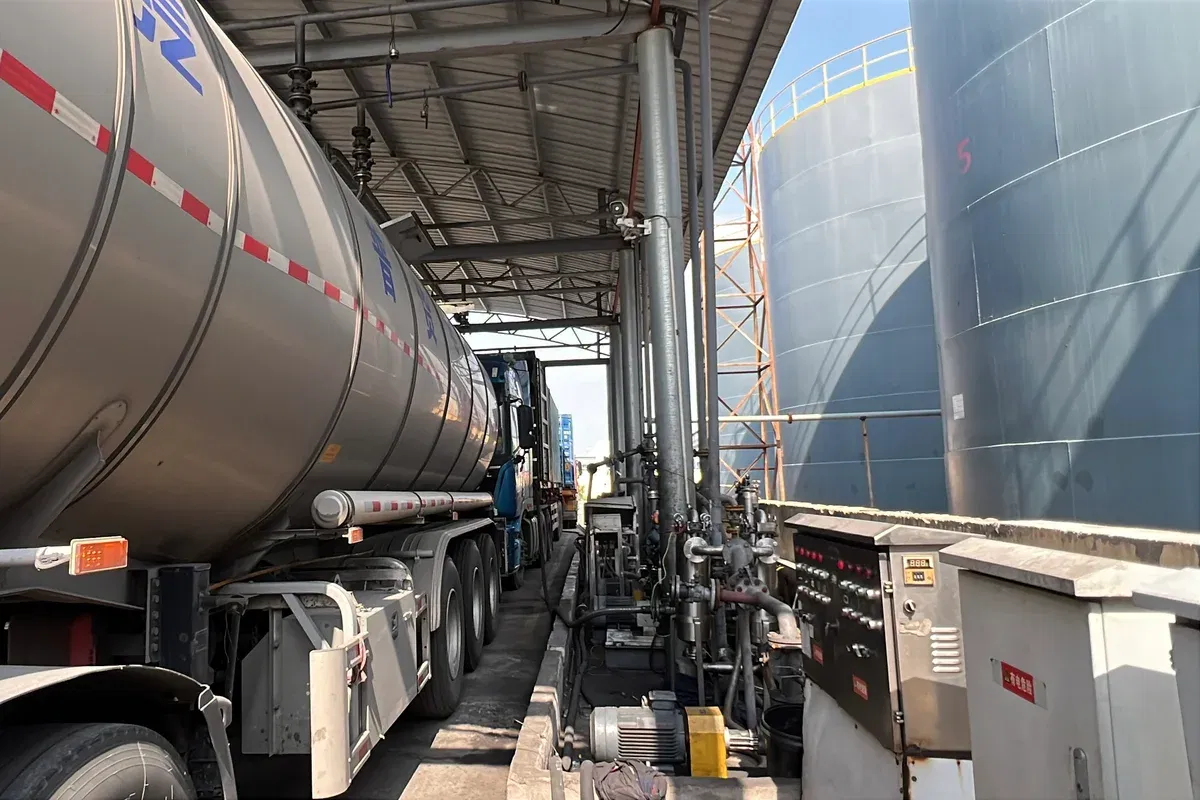
Shandong Changxing Plastic Additives manufactures DCP (di-sec-octyl phthalate, CAS 131-15-7) under ISO 9001:2015 certified processes. Our group's total plasticizer production capacity reaches 230,000 tonnes per year. We provide complete SDS, CoA, and REACH documentation. Request a quote for FOB Qingdao or CIF delivery worldwide.
Looking for DCP or DOP Plasticizers?
Whether you need traditional DOP or cost-effective DCP, Shandong Changxing Plastic Additives is your reliable partner with ISO 9001/14001/45001/50001 certification and 230,000 tonnes of annual plasticizer capacity. Our technical team is ready to assist with product selection, formulation support, and sample requests.
Request a Free Quote- ✓DCP (CAS 131-15-7) & DOTP - REACH/FDA compliant options
- ✓ISO 9001/14001/45001/50001 four-system certified
- ✓Group annual plasticizer capacity: 230,000 tonnes
- ✓Global delivery to 30+ countries