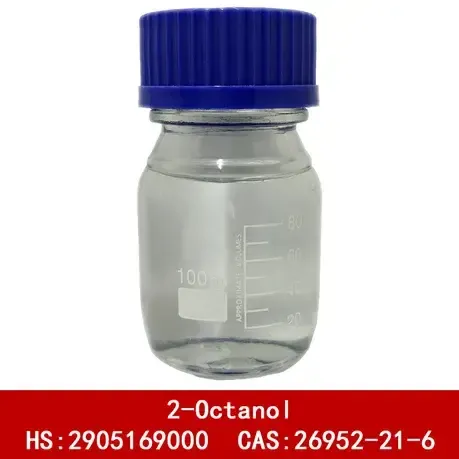

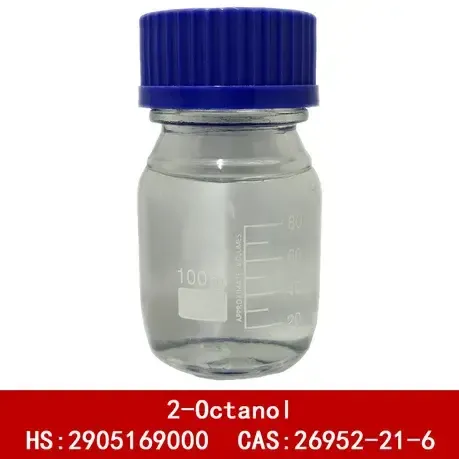
2-Octanol (CAS 123-96-6) is a straight-chain secondary alcohol with the molecular formula C8H18O and a molecular weight of 130.23 g/mol. As one of the most important chemical intermediates in the plasticizer industry, 2-octanol plays a critical role in the production of DCP and other specialty esters. Whether you are a PVC compounder, a fragrance formulator, or a chemical procurement specialist, understanding what 2-octanol is - and how it differs from similar alcohols - helps you make better sourcing and formulation decisions.
Key Takeaways
- 2-Octanol (CAS 123-96-6) is a straight-chain secondary alcohol with the molecular formula C8H18O, primarily used as a plasticizer intermediate and fragrance raw material.
- It is produced industrially via catalytic hydrogenation of methyl heptenone or from castor oil through alkali fusion.
- 2-Octanol is a key feedstock for DCP plasticizer production, as well as for synthesizing 2-octanone and specialty esters. Note: DOTP is typically produced from 2-ethylhexanol, not 2-octanol.
- Shandong Changxing Plastic Additives produces 2-octanol as part of a vertically integrated supply chain. The group operates 230,000 tonnes annual plasticizer capacity across DOTP, DCP, and intermediates.
- 2-Octanol differs from 2-ethylhexanol in structure, reactivity, and end-use applications - understanding these differences is essential for correct formulation.
What Is 2-Octanol?
Definition: 2-Octanol (also called sec-octyl alcohol or methyl hexyl carbinol) is an eight-carbon straight-chain secondary alcohol with the hydroxyl group on the second carbon atom. Its CAS registry number is 123-96-6. Unlike its isomer 2-ethylhexanol, which is a branched primary alcohol, 2-octanol has a linear carbon chain that gives it distinct solvency and reactivity properties prized in DCP plasticizer synthesis and fragrance chemistry.
2-Octanol is a colorless to pale yellow liquid at room temperature with a characteristic mild, wine-like odor. It is miscible with most organic solvents but only slightly soluble in water. The global 2-octanol market is driven primarily by demand from the plasticizer sector, where it serves as a building block for producing DCP (di-sec-octyl phthalate) and other specialty ester plasticizers. China is the world's largest producer and consumer of 2-octanol, with Shandong Province hosting several major manufacturing facilities.
The compound was first identified in the 19th century during studies on fermentation byproducts. Industrial-scale production began in the mid-20th century, initially from castor oil - a renewable feedstock that remains relevant today. Modern production also uses petrochemical routes starting from propylene or butadiene. The dual feedstock approach gives manufacturers flexibility in managing raw material costs and supply security.
2-Octanol Chemical Structure & Physical Properties
The 2-octanol chemical structure features a hydroxyl group (-OH) attached to the second carbon of an eight-carbon chain. This secondary alcohol configuration distinguishes it from 1-octanol (a primary alcohol) and 2-ethylhexanol (a branched primary alcohol). The position of the hydroxyl group affects reactivity, solvency, and esterification kinetics.
| Property | Value |
|---|---|
| Chemical name | 2-Octanol (sec-Octyl alcohol) |
| CAS number | 123-96-6 |
| Molecular formula | C8H18O |
| Molecular weight | 130.23 g/mol |
| Boiling point | 179 °C (354 °F) at 760 mmHg |
| Density | 0.819 g/cm³ at 20 °C |
| Flash point | 71 °C (160 °F) (closed cup) |
| Refractive index | 1.420 at 20 °C |
| Solubility in water | Slightly soluble (1.12 g/L at 20 °C) |
| Appearance | Colorless to pale yellow liquid |
| Odor | Mild, wine-like, slightly green |
| Auto-ignition temperature | 260 °C (500 °F) |
The 2-octanol boiling point of 179 °C and 2-octanol density of 0.819 g/cm³ make it a medium-volatility, low-density solvent. Its 2-octanol flash point of 71 °C (closed cup) classifies it as a combustible liquid rather than a flammable one, which simplifies storage and transportation logistics compared to more volatile solvents. These physical properties are critical for process engineers designing esterification reactors and for logistics teams planning bulk shipments.
How Is 2-Octanol Produced?
There are two primary industrial routes for 2-octanol production, each with distinct advantages in terms of cost, sustainability, and product quality.
Castor Oil Route (Bio-Based)
The castor oil route is the traditional and still widely used method, particularly in China and India. Castor oil (ricinoleic acid triglyceride) undergoes alkali fusion with sodium hydroxide at elevated temperatures (250–300 °C), producing sebacic acid (a C10 dicarboxylic acid) and 2-octanol as a co-product. This route is valued for its renewable feedstock origin - castor oil is derived from the castor plant (Ricinus communis), a non-edible crop that does not compete with food supply.
Process Summary: Castor oil → Alkali fusion (NaOH, 250–300 °C) → Sebacic acid + 2-Octanol → Distillation purification → High-purity 2-Octanol (≥99%)
The bio-based 2-octanol from castor oil typically achieves purity levels of 99% or higher after fractional distillation. This route has the added benefit of producing sebacic acid as a valuable co-product used in nylon 610, lubricants, and plasticizer synthesis. The castor oil route aligns with growing market demand for bio-based chemicals and sustainable manufacturing practices.
Petrochemical Route
The petrochemical route starts from propylene feedstocks. Propylene is first converted to methyl ethyl ketone (MEK), which then undergoes aldol condensation with acetone to form methyl heptenone. Catalytic hydrogenation of methyl heptenone yields 2-octanol. This route offers advantages in regions with abundant petrochemical infrastructure and provides consistent quality independent of agricultural crop cycles.
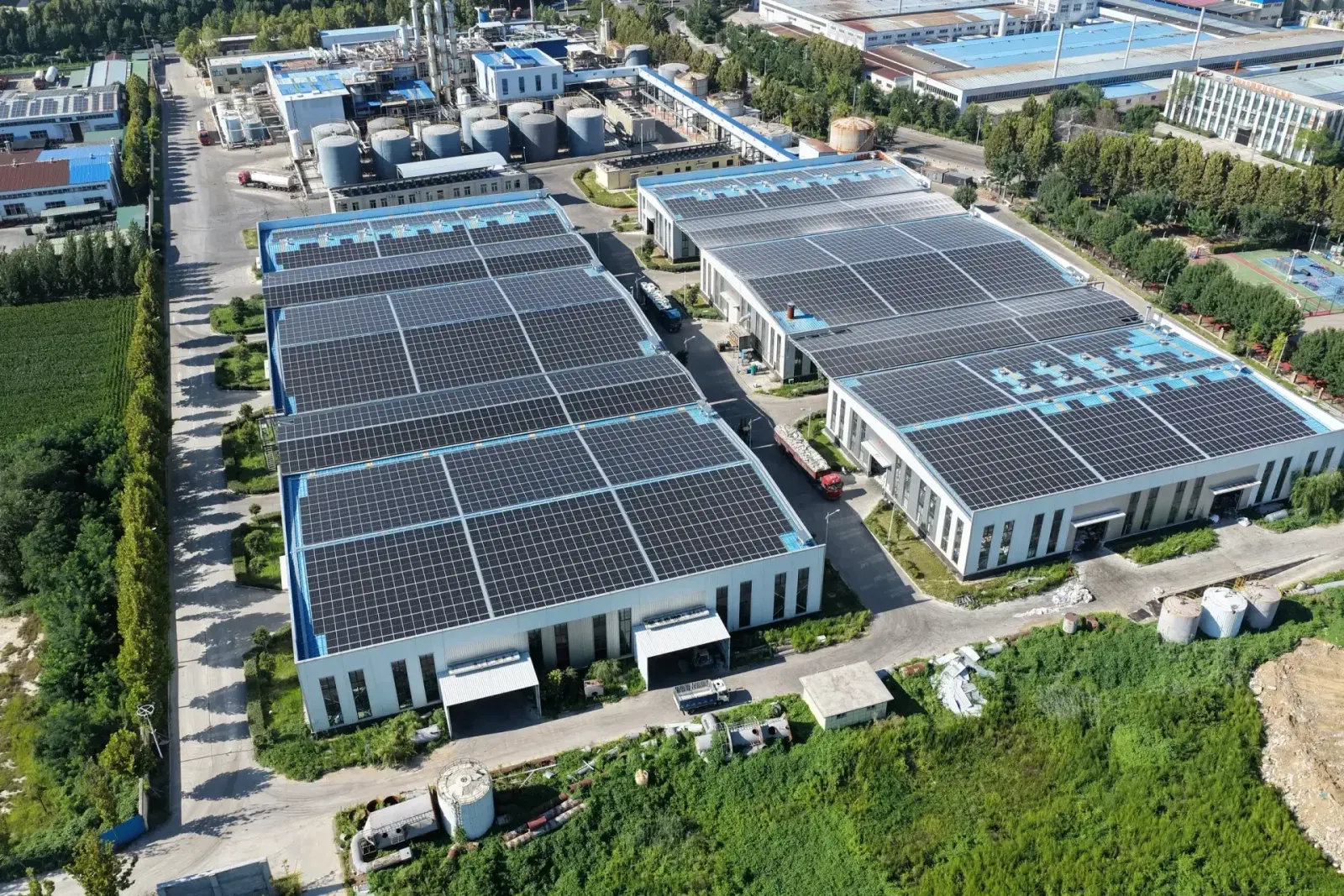
At Shandong Changxing, 2-octanol production is integrated with the company's DCP manufacturing lines. This vertical integration means the 2-octanol intermediate can be fed directly into DCP esterification reactors without the delays, quality risks, and costs associated with external procurement. The result is tighter quality control, lower production costs, and faster delivery times for customers worldwide.
2-Octanol Uses & Applications
The 2-octanol uses span three major industrial sectors: plasticizer intermediates, fragrance and flavor chemistry, and specialty solvents. Each application leverages different properties of this versatile alcohol.
Plasticizer Intermediate
The largest application. 2-Octanol reacts with phthalic anhydride to produce DCP - one of the most widely used general-purpose PVC plasticizers. It also serves as a feedstock for specialty esters such as adipate and sebacate plasticizers.
Fragrance & Flavor
2-Octanol and its oxidation product 2-octanone (methyl hexyl ketone) are used in perfumery for their fresh, green, and fruity odor profiles. Esters of 2-octanol are common fragrance ingredients.
Specialty Solvent
2-Octanol serves as a solvent and co-solvent in coatings, inks, and specialty chemical formulations. Its moderate evaporation rate and good solvency for resins make it useful in industrial applications.
2-Octanol in Plasticizer Production
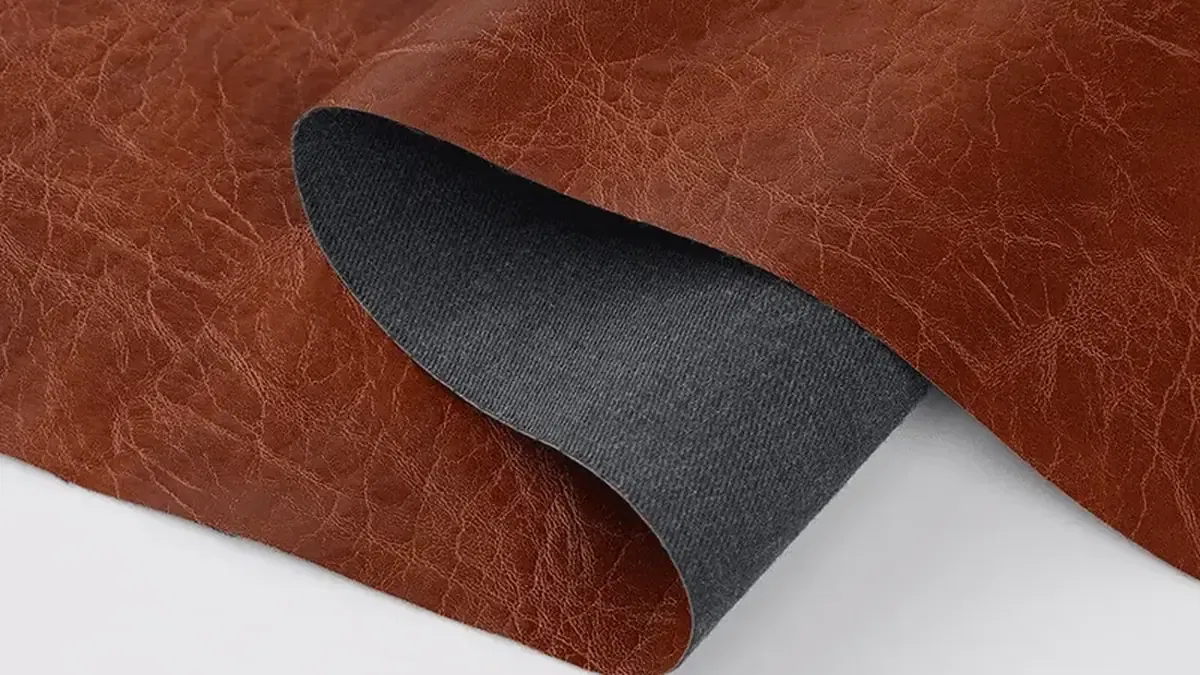
The dominant use of 2-octanol is as a plasticizer intermediate. In DCP production, 2-octanol reacts with phthalic anhydride under catalytic esterification conditions to form di-sec-octyl phthalate (DCP) - a structural isomer of DOP offering better viscosity stability and lower plastisol aging. DCP is widely used in PVC synthetic leather, footwear, rubber compounds, and general-purpose flexible PVC products. For more on why DCP is replacing DOP in many applications, see our article on DCP as a DOP substitute.
Important note on DOTP: DOTP (dioctyl terephthalate, CAS 6422-86-2) is produced from 2-ethylhexanol (not 2-octanol) reacting with terephthalic acid. Although both 2-octanol and 2-ethylhexanol share the molecular formula C₈H₁₈O, they are structural isomers: 2-octanol is a straight-chain secondary alcohol, while 2-ethylhexanol is a branched primary alcohol. The plasticizers they produce - DCP and DOTP respectively - have distinct performance characteristics. Shandong Changxing produces both DCP (from 2-octanol) and DOTP (from 2-ethylhexanol) in integrated facilities.
2-Octanol in Fragrance Synthesis
In the fragrance industry, 2-octanol is valued for its fresh, green, and slightly mushroom-like odor. It is used directly as a fragrance ingredient and as a precursor to 2-octanone (methyl hexyl ketone, CAS 111-13-7), which has a more pronounced fruity, floral note. Esters derived from 2-octanol - such as 2-octyl acetate and 2-octyl butyrate - contribute citrus, apple, and pear notes to perfumes and flavor compositions. The global fragrance intermediates market continues to grow, driven by demand for natural-identical aroma chemicals.
2-Octanol vs 2-Ethylhexanol: Key Differences
A common question in the chemical industry is the difference between 2-octanol vs 2-ethylhexanol. Although both are C8 alcohols with the same molecular formula (C8H18O), they are structural isomers with significantly different properties and applications.
| Property | 2-Octanol | 2-Ethylhexanol (2-EH) |
|---|---|---|
| CAS number | 123-96-6 | 104-76-7 |
| Alcohol type | Secondary alcohol | Primary alcohol (branched) |
| Structure | CH₃(CH₂)₅CH(OH)CH₃ | CH₃(CH₂)₃CH(C₂H₅)CH₂OH |
| Boiling point | 179 °C | 184 °C |
| Density | 0.819 g/cm³ | 0.833 g/cm³ |
| Primary use | Plasticizer intermediate (DCP), fragrance | Plasticizer raw material (DOP, DOTP), solvent, acrylate |
| Ester reactivity | Slower (secondary OH) | Faster (primary OH) |
| Odor | Mild, wine-like, green | Sharp, alcoholic, slightly sweet |
| Production route | Castor oil / petrochemical | Petrochemical (propylene → butyraldehyde) |
The key distinction is that 2-octanol is a straight-chain secondary alcohol while 2-ethylhexanol is a branched primary alcohol. This structural difference means 2-octanol has lower esterification reactivity, which affects process conditions in plasticizer production. The esters produced from 2-octanol (particularly DCP) offer unique performance advantages in certain PVC applications, such as better viscosity stability and lower plastisol aging.
In practice, 2-ethylhexanol is the more widely used alcohol for general-purpose plasticizer production (DOP, DOTP), while 2-octanol is the primary feedstock for DCP production and is also valued in fragrance chemistry. Many manufacturers, including Shandong Changxing, produce both alcohols and can advise customers on the optimal choice for their specific formulation requirements. For a deeper exploration of 2-octanol applications, see our companion article on 2-octanol uses and applications.
2-Octanol Specifications & Quality Grades
For industrial buyers, understanding 2-octanol specifications is essential for quality assurance. The following table shows typical specifications for industrial-grade 2-octanol as produced by Shandong Changxing:
| Parameter | Specification | Test Method |
|---|---|---|
| Purity | ≥ 99.0% | GC |
| Acid value | ≤ 0.1 mg KOH/g | Titration |
| Moisture | ≤ 0.1% | Karl Fischer |
| Color (Pt-Co) | ≤ 20 | Visual comparison |
| Density (20 °C) | 0.817–0.821 g/cm³ | Densitometer |
| Distillation range | 177–181 °C (≥95 mL) | ASTM D86 |
These specifications ensure that the 2-octanol meets the requirements for downstream esterification reactions. High purity (≥99%) minimizes side reactions and byproducts during DCP synthesis. Low acid value and moisture content prevent catalyst poisoning and ensure consistent reaction kinetics. Color specifications guarantee that the resulting plasticizers meet appearance standards for clear and white PVC compounds.
2-Octanol Safety, Storage & Handling
Proper handling of 2-octanol is essential for workplace safety and product quality maintenance. While 2-octanol is classified as a low-hazard chemical compared to many industrial solvents, standard chemical safety practices must be followed.
Storage Conditions
- Store in a cool, dry, well-ventilated area
- Keep containers tightly sealed when not in use
- Recommended storage temperature: 5–35 °C
- Protect from direct sunlight and heat sources
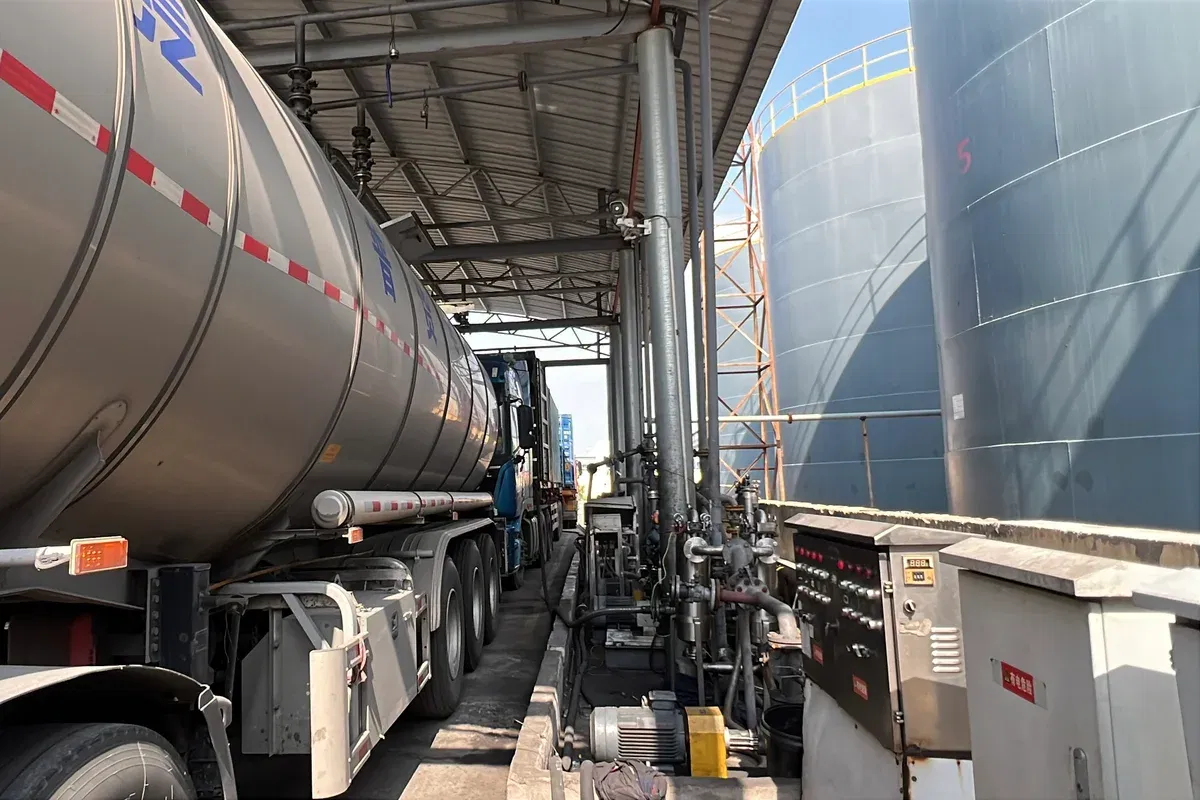
- Use stainless steel, HDPE, or lined carbon steel containers
- Shelf life: 12 months under proper conditions
Handling Precautions
- Wear chemical-resistant gloves and safety goggles
- Use in well-ventilated areas or with local exhaust
- Avoid inhalation of vapors and contact with skin
- In case of skin contact, wash with soap and water
- In case of eye contact, rinse with water for 15 minutes
- Keep away from open flames and ignition sources
2-Octanol is not classified as a hazardous material under most international transport regulations (UN number not assigned). However, it is combustible (flash point 71 °C) and should be handled accordingly. A complete Safety Data Sheet (SDS/MSDS) is available from Shandong Changxing upon request for all shipments.
Conclusion
2-Octanol (CAS 123-96-6) is a versatile straight-chain secondary alcohol that serves as a critical building block in the plasticizer and fragrance industries. Key takeaways from this guide:
- Structure defines function: As a secondary alcohol with a linear carbon chain, 2-octanol has distinct reactivity and solvency compared to its isomer 2-ethylhexanol - making it the preferred feedstock for DCP production and fragrance synthesis.
- Dual production routes: Both bio-based (castor oil) and petrochemical routes provide supply flexibility, with the castor oil route offering renewable feedstock advantages.
- Quality matters: Industrial-grade 2-octanol requires purity ≥99.0%, acid value ≤0.1 mg KOH/g, and moisture ≤0.1% for reliable downstream esterification.
- Not the same as 2-ethylhexanol: 2-Octanol produces DCP; 2-ethylhexanol produces DOP and DOTP. Understanding this distinction is essential for correct formulation.
For manufacturers seeking a reliable 2-octanol supply, Shandong Changxing's vertically integrated production delivers consistent quality with ISO-certified manufacturing. Explore our related guides on 2-octanol uses and applications and DCP as a DOP substitute for deeper insights.
Frequently Asked Questions
What is 2-octanol used for?
2-Octanol is primarily used as a chemical intermediate in plasticizer production (primarily DCP), in fragrance and flavor synthesis (as a precursor to 2-octanone and specialty esters), and as a specialty solvent in coatings and inks. Its secondary alcohol structure gives it unique reactivity and solvency properties. Note: DOTP is produced from 2-ethylhexanol, not 2-octanol.
What is the CAS number for 2-octanol?
The CAS registry number for 2-octanol is 123-96-6. This unique identifier is used in chemical databases, safety data sheets, and regulatory documents worldwide.
How is 2-octanol different from 2-ethylhexanol?
2-Octanol is a straight-chain secondary alcohol (CAS 123-96-6) while 2-ethylhexanol is a branched primary alcohol (CAS 104-76-7). Although both have the molecular formula C₈H₁₈O, 2-octanol has lower esterification reactivity and is the primary feedstock for DCP production and fragrance applications, while 2-ethylhexanol is more widely used for DOP and DOTP production.
Is 2-octanol made from castor oil?
Yes, one of the primary industrial routes for 2-octanol production is the alkali fusion of castor oil, which produces both 2-octanol and sebacic acid as co-products. This bio-based route is valued for its renewable feedstock origin. A petrochemical route starting from propylene is also used.
What are the key physical properties of 2-octanol?
2-Octanol has a boiling point of 179 °C, density of 0.819 g/cm³ at 20 °C, flash point of 71 °C (closed cup), molecular weight of 130.23 g/mol, and is slightly soluble in water (1.12 g/L at 20 °C). It appears as a colorless to pale yellow liquid with a mild, wine-like odor.
Why Choose Shandong Changxing for 2-Octanol
Shandong Changxing Plastic Additives Co., Ltd. is one of China's leading integrated manufacturers of plasticizers and chemical intermediates. Our 2-octanol production is part of a vertically integrated supply chain that includes DOTP, DCP, 2-octanone, and MEG (ethylene glycol). This integration delivers several key advantages:
- ISO-certified quality: Our operations hold ISO 9001, ISO 14001, ISO 45001, and ISO 50001 certifications, ensuring consistent product quality, environmental responsibility, and workplace safety.
- Integrated supply chain: 2-Octanol is produced in-house and fed directly into DCP esterification lines, while 2-ethylhexanol feeds DOTP production. This eliminates external procurement delays and quality risks.
- Scale and reliability: With 230,000 tonnes annual plasticizer capacity across the product portfolio, we serve both regional distributors and global manufacturers with reliable, long-term supply contracts.
- Export experience: We ship to customers across Southeast Asia, the Middle East, South America, and Europe, with established logistics for IBC, drum, ISO tank, and flexibag packaging.
- Technical support: Our R&D team, supported by the Shandong Provincial Enterprise Technology Center and Academician Workstation, provides formulation guidance and custom specifications.
- Nationally recognized: Shandong Changxing has been designated a National "Little Giant" specialized and sophisticated SME and a Shandong Gazelle Enterprise, reflecting our commitment to innovation and excellence.
Ready to Source Premium 2-Octanol?
Shandong Changxing Plastic Additives Co., Ltd. is an ISO 9001 certified manufacturer with 230,000 tonnes annual plasticizer capacity. We supply DOTP, DCP, 2-octanol, and 2-octanone to clients worldwide.
Request a Free Quote