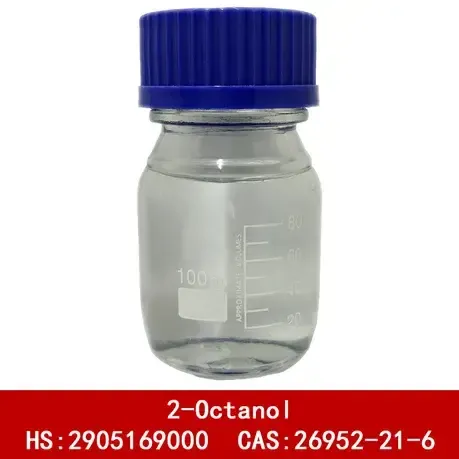

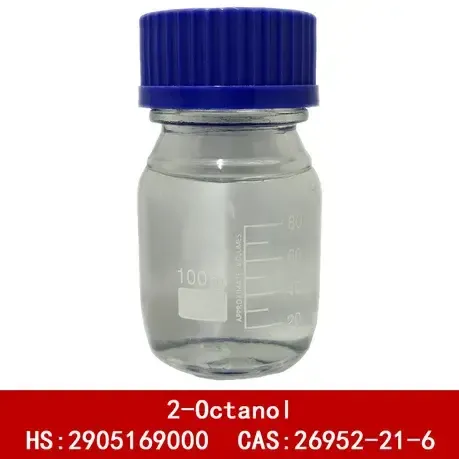
2-Octanol uses span three major industrial sectors that touch nearly every aspect of modern life鈥攆rom the DCP plasticizer in PVC products to the fragrance in your perfume, and the solvent in industrial coatings. As a versatile chemical intermediate with CAS number 123-96-6, 2-octanol (also called sec-octyl alcohol) has become indispensable to manufacturers worldwide. Whether you are a PVC compounder seeking reliable feedstock, a fragrance formulator sourcing raw materials, or a procurement manager evaluating suppliers, understanding the full scope of 2-octanol applications helps you make better-informed sourcing decisions.
Key Takeaways
- Plasticizer production is the largest 2-octanol application鈥攗sed primarily to synthesize DCP (di-sec-octyl phthalate) plasticizer for PVC wire, cable, flooring, and synthetic leather. Note: DOTP is typically produced from 2-ethylhexanol, not 2-octanol.
- Fragrance and flavor chemistry is the second-largest use: 2-octanol and its oxidation product 2-octanone provide fresh, green, and fruity notes in perfumes and food flavors.
- Specialty solvent applications include coatings, inks, mining flotation agents, and pharmaceutical intermediates.
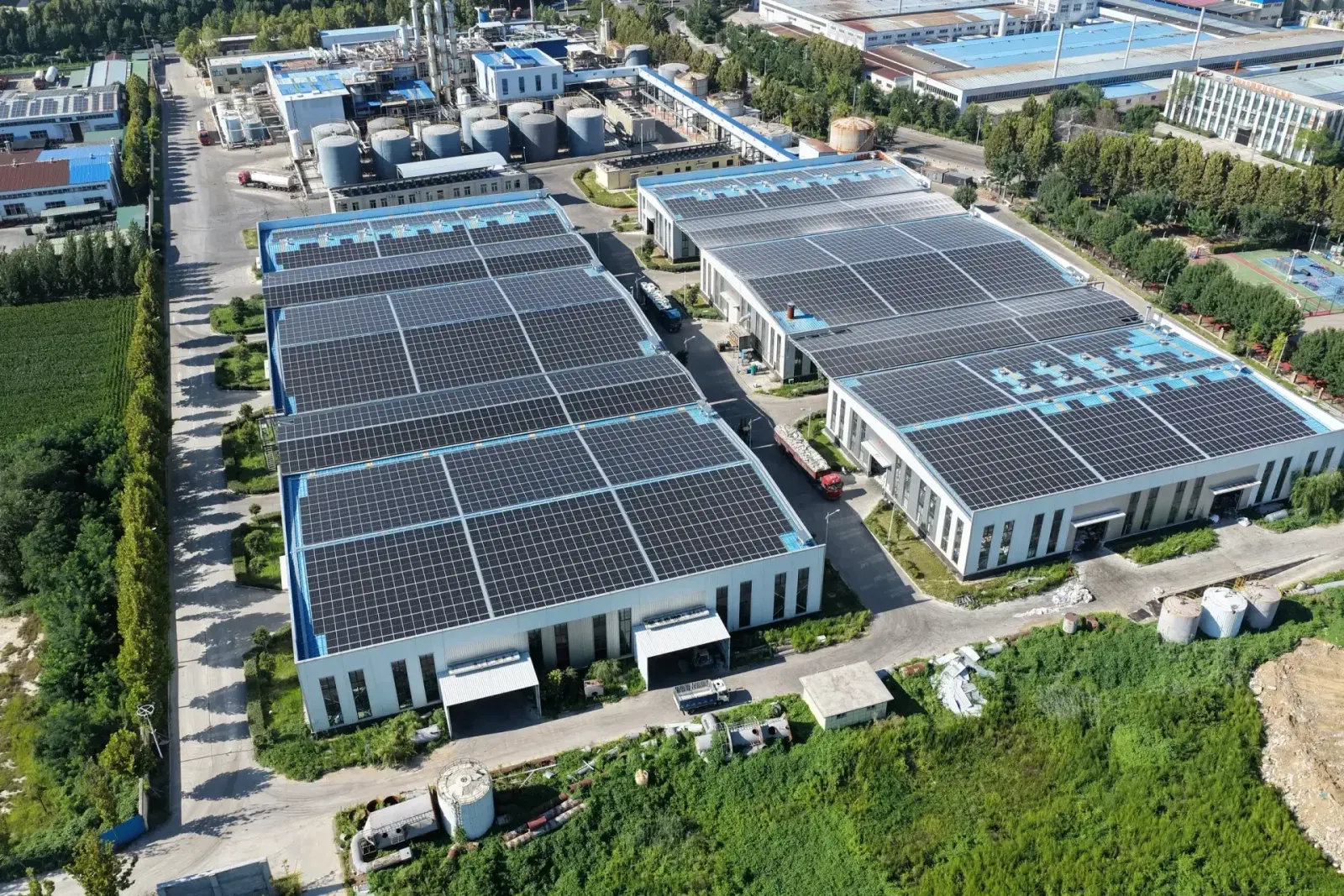
- Shandong Changxing Plastic Additives produces 2-octanol as part of a vertically integrated supply chain. The group operates 230,000 tonnes annual plasticizer capacity across DOTP, DCP, and intermediates. 2-Octanol is the primary feedstock for DCP production, while DOTP uses 2-ethylhexanol as its alcohol component.
- For a complete overview of 2-octanol properties and specifications, see our comprehensive guide to 2-octanol.
2-Octanol in Plasticizer Production
The single largest application of 2-octanol is as a plasticizer intermediate. In this role, 2-octanol reacts with various acids and anhydrides to form ester plasticizers that impart flexibility, durability, and safety to PVC products. The global plasticizer market is valued in the tens of billions of dollars, and 2-octanol-derived plasticizers鈥攑articularly DCP鈥攔epresent a significant and growing share driven by the shift from restricted ortho-phthalates to safer alternatives.
DCP Production 鈥?The Primary 2-Octanol Plasticizer Application
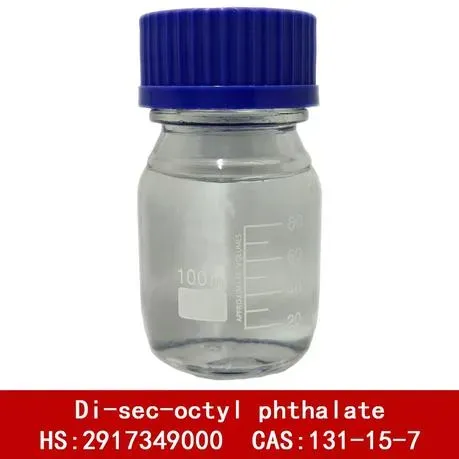
The most important 2-octanol application in plasticizer production is the synthesis of DCP (di-sec-octyl phthalate). In DCP synthesis, 2-octanol reacts with phthalic anhydride under esterification conditions to form DCP鈥攁 structural isomer of DOP (DEHP) with the same molecular formula but different spatial arrangement of the ester groups.
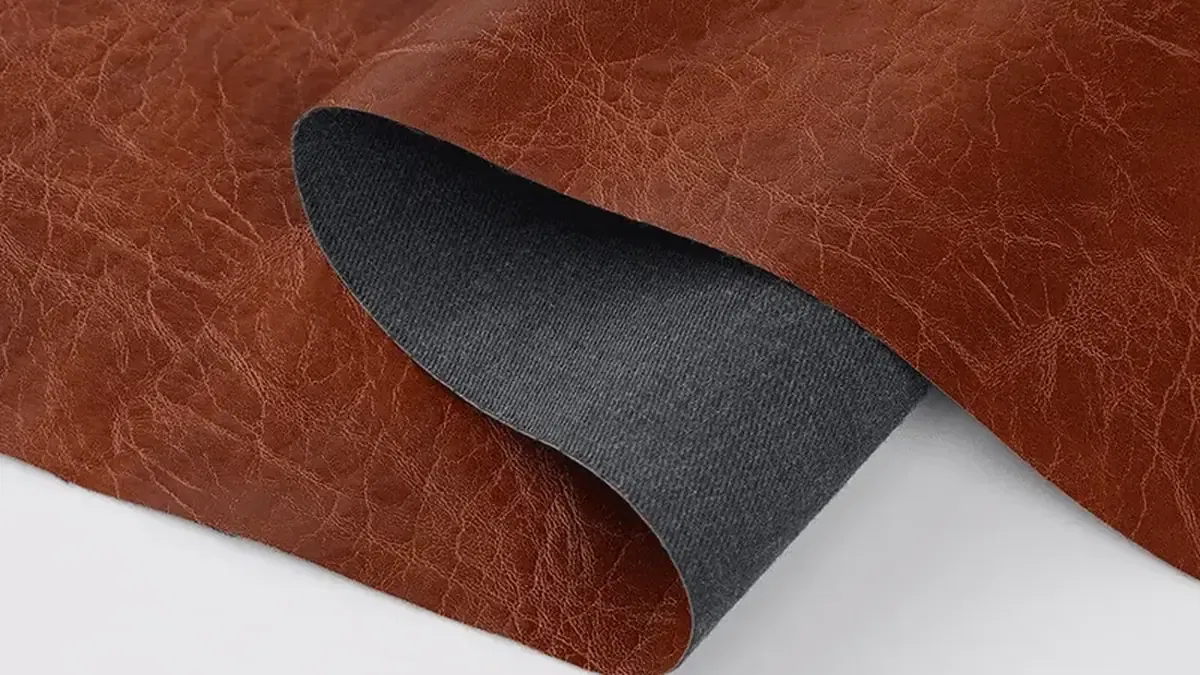
DCP offers several advantages over DOP in general-purpose PVC applications: better viscosity stability in plastisol formulations, lower plastisol aging, and improved heat and weather resistance. Because DCP uses 2-octanol (a secondary alcohol) rather than 2-ethylhexanol (a primary alcohol), the resulting plasticizer has a more uniform molecular structure that translates to more predictable processing behavior. DCP is widely used in PVC synthetic leather, footwear, rubber compounds, and general-purpose flexible PVC products.
Reaction Summary: Phthalic Anhydride + 2-Octanol 鈫?Catalytic Esterification 鈫?DCP + H鈧侽. The resulting DCP plasticizer offers excellent viscosity stability, low plastisol aging, and good compatibility with PVC resins.
Important Clarification: DOTP vs. DCP Feedstock
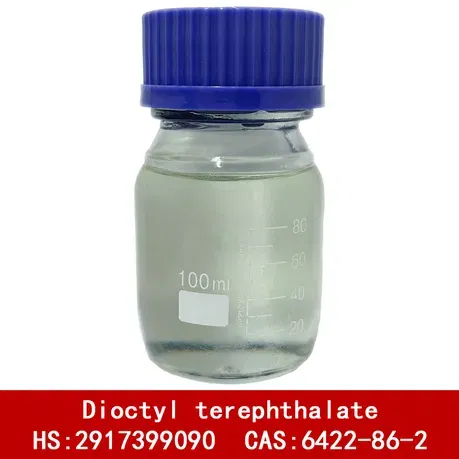
It is important to distinguish between the alcohol feedstocks used for different plasticizers. DOTP (dioctyl terephthalate, CAS 6422-86-2) is produced from 2-ethylhexanol (a branched primary alcohol, CAS 104-76-7) reacting with terephthalic acid. DCP (di-sec-octyl phthalate) is produced from 2-octanol (a straight-chain secondary alcohol, CAS 123-96-6) reacting with phthalic anhydride. Although both alcohols share the molecular formula C鈧圚鈧佲倛O, they are structural isomers with different reactivity and produce plasticizers with distinct performance characteristics. At Shandong Changxing, both plasticizers are produced in vertically integrated facilities, with 2-octanol feeding directly into DCP esterification lines and 2-ethylhexanol feeding DOTP production.
Other Specialty Ester Plasticizers
Beyond DOTP and DCP, 2-octanol serves as a feedstock for several specialty ester plasticizers:
Trimellitate Esters
2-Octanol reacts with trimellitic anhydride to produce trimellitate plasticizers with exceptional high-temperature performance, used in 105 掳C+ wire insulation and automotive under-hood applications.
Adipate & Sebacate Esters
Esterification with adipic acid or sebacic acid yields low-temperature flexible plasticizers for applications requiring extreme cold resistance, such as arctic cables and refrigeration equipment. Note: sebacic acid is a natural co-product of the castor oil route for 2-octanol production, making this an efficient use of both products.
2-Octanol Applications in Fragrance & Flavor Industry
The fragrance and flavor industry is the second-largest consumer of 2-octanol, leveraging its unique organoleptic properties and its role as a precursor to valuable aroma chemicals. The global fragrance ingredients market continues to grow steadily, with 2-octanol-derived compounds contributing to this expansion.
Direct Use as Fragrance Ingredient
2-Octanol itself is used directly in perfumery for its fresh, green, slightly mushroom-like odor profile. It contributes a natural, earthy nuance to fragrance compositions, particularly in green, herbal, and foug猫re accords. Perfumers value 2-octanol for its ability to add depth and naturalness to synthetic fragrance blends without overwhelming the overall composition.
Precursor to 2-Octanone (Methyl Hexyl Ketone)
One of the most valuable 2-octanol applications in the fragrance sector is its oxidation to 2-octanone (methyl hexyl ketone, CAS 111-13-7). 2-Octanone has a more pronounced fruity, floral, and slightly herbal odor compared to 2-octanol, making it a versatile ingredient in both fine fragrances and flavor compositions. The oxidation is typically performed using copper-chromium catalysts or chromium trioxide under controlled conditions.
Process: 2-Octanol 鈫?Catalytic Oxidation (CuCr鈧侽鈧?catalyst, 200鈥?50 掳C) 鈫?2-Octanone + H鈧侽. The resulting 2-octanone is purified by fractional distillation to achieve fragrance-grade purity (鈮?8%).
Specialty Esters for Perfumery
2-Octanol forms esters with various organic acids that are prized in the fragrance industry for their fruity and floral odor profiles:
| Ester | Odor Profile | Application |
|---|---|---|
| 2-Octyl acetate | Fresh, citrus, orange-peel | Perfumes, soaps, detergents |
| 2-Octyl butyrate | Fruity, apple, pear | Food flavors, beverages |
| 2-Octyl propionate | Green, herbaceous, slightly sweet | Fine fragrances, air fresheners |
| 2-Octyl isobutyrate | Tropical, pineapple, grapefruit | Tropical flavor compositions |
Some of these 2-octanol-derived esters occur naturally in fruits and plants, making them nature-identical aroma chemicals that can be synthesized more economically and consistently from 2-octanol. This makes them valuable building blocks for modern perfumery and flavor houses seeking both quality and cost efficiency.
2-Octanol as a Specialty Solvent
Beyond plasticizers and fragrances, 2-octanol serves as a specialty solvent in several industrial applications. Its moderate evaporation rate (boiling point 179 掳C), good solvency for resins and oils, and low water solubility make it a useful co-solvent and processing aid.
Coatings & Inks
2-Octanol acts as a coalescing aid and flow modifier in water-based coatings and printing inks. Its moderate volatility allows uniform film formation without excessive drying time.
Mining & Flotation
2-Octanol is used as a frothing agent in mineral flotation processes, particularly for rare earth minerals and non-ferrous metal ores. Its surface-active properties improve bubble stability and mineral recovery rates.
Pharmaceutical Intermediates
In pharmaceutical synthesis, 2-octanol's secondary alcohol functionality can enable selective transformations in certain organic reactions. It also serves as a processing aid in specialty chemical formulations.
2-Octanol in Mining & Mineral Processing
An often-overlooked but commercially significant 2-octanol application is in mineral processing鈥攕pecifically as a froth flotation agent. In froth flotation, 2-octanol functions as a frother, generating stable air bubbles that selectively attach to hydrophobic mineral particles and carry them to the surface for collection. This process is critical for separating valuable minerals from gangue in the mining of copper, lead, zinc, and rare earth elements.
2-Octanol's effectiveness as a frother stems from its molecular structure: the eight-carbon chain provides sufficient hydrophobicity to stabilize bubbles, while the hydroxyl group provides the necessary water interaction for bubble formation. Compared to synthetic frothers like MIBC (methyl isobutyl carbinol), 2-octanol offers comparable performance with the added benefit of bio-based production routes from castor oil鈥攁 growing preference in the mining industry's sustainability initiatives.
| Application | 2-Octanol Role | Key Benefit |
|---|---|---|
| Copper ore flotation | Frother | Improved recovery rates, stable froth |
| Rare earth extraction | Frother / modifier | Selective separation of rare earth oxides |
| Coal preparation | Frother | Cleaner coal product, reduced ash content |
| Potash processing | Frother | Higher potash recovery from sylvinite ore |
2-Octanol Emerging Applications & Market Outlook
The 2-octanol market continues to evolve, driven by several megatrends reshaping the global chemical industry:
Bio-Based Chemicals Trend
The castor oil route for 2-octanol production aligns with the growing demand for bio-based chemicals. As brand owners and regulators push for renewable content, bio-based 2-octanol offers a compelling sustainability story鈥攄erived from a non-edible crop that does not compete with food supply.
Sustainable Mining Practices
2-Octanol's bio-based origin from castor oil gives it a sustainability advantage in mining flotation applications. As the mining industry seeks to reduce its environmental footprint, bio-based frothers like 2-octanol offer a renewable alternative to purely petrochemical-derived options.
The global 2-octanol market continues to grow, driven by the shift from DOP to DCP and other alternative plasticizers in PVC applications, as well as increasing demand from the fragrance and mining sectors. Asia-Pacific (particularly China) is the largest market, with strong growth also expected in Southeast Asia and India.
Why Source 2-Octanol from Shandong Changxing
For industrial buyers seeking a reliable 2-octanol supplier, Shandong Changxing Plastic Additives offers distinct advantages rooted in vertical integration, quality assurance, and global export experience:
- Vertically integrated supply chain: 2-Octanol is produced in-house and fed directly into DCP esterification lines, while 2-ethylhexanol feeds DOTP production. This integration eliminates external procurement delays and quality risks, ensuring consistent purity (鈮?9%) and competitive pricing.
- ISO-certified quality: Our operations hold ISO 9001, ISO 14001, ISO 45001, and ISO 50001 certifications, ensuring consistent product quality, environmental responsibility, and workplace safety across the entire production chain.
- Scale and reliability: With 230,000 tonnes annual plasticizer capacity across the product portfolio, we serve both regional distributors and global manufacturers with reliable, long-term supply contracts.
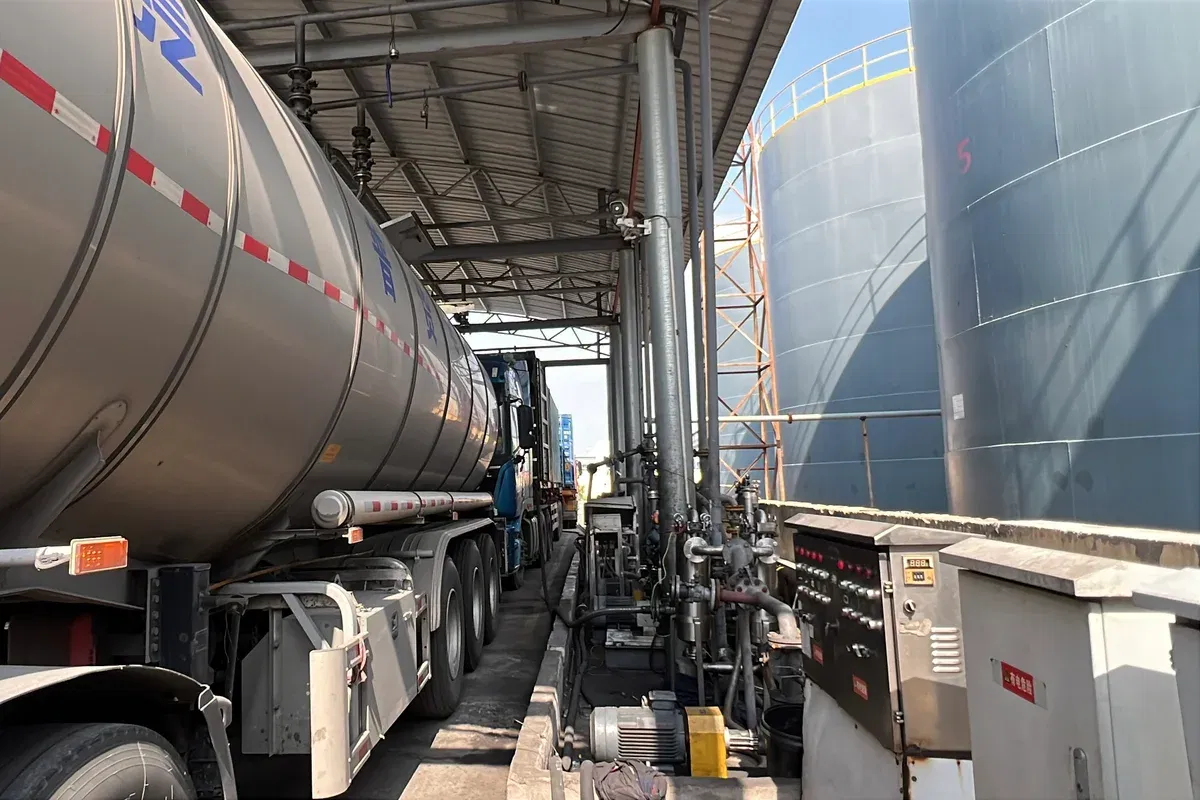
- Flexible packaging: We offer IBC totes (1,000 kg), 200 kg drums, ISO tanks, and flexibags to meet diverse logistics requirements.
- Export experience: We ship to customers across Southeast Asia, the Middle East, South America, and Europe, with established logistics for FOB Qingdao and CIF delivery.
- Technical support: Our R&D team, supported by the Shandong Provincial Enterprise Technology Center and Academician Workstation, provides formulation guidance and custom specifications.
Conclusion: 2-Octanol Uses Span Critical Industries
From its dominant role in DCP plasticizer production for PVC applications, through its valued contributions to fragrance and flavor chemistry as both a direct ingredient and a precursor to 2-octanone, to its niche but important function as a specialty solvent in coatings, mining, and pharmaceuticals鈥?-octanol (CAS 123-96-6) is a versatile chemical intermediate that underpins multiple industrial sectors. The growing shift from restricted phthalate plasticizers to DCP, combined with the rising demand for bio-based chemicals from castor oil, positions 2-octanol for continued market growth. For procurement teams and manufacturers, partnering with a vertically integrated supplier like Shandong Changxing ensures consistent quality, reliable supply, and competitive pricing for this essential feedstock.
Learn more about 2-octanol properties and specifications in our comprehensive guide to 2-octanol, explore how DCP compares to DOP in our DCP vs DOP analysis, or discover our 2-octanol product specifications.
Ready to Source Premium 2-Octanol?
Shandong Changxing Plastic Additives Co., Ltd. is an ISO 9001 certified manufacturer with 230,000 tonnes annual plasticizer capacity. We supply DOTP, DCP, 2-octanol, and 2-octanone to clients worldwide.
Request a Free QuoteFrequently Asked Questions
What are the main uses of 2-octanol?
The main uses of 2-octanol (CAS 123-96-6) are: (1) plasticizer intermediate鈥攖he largest application by volume鈥攗sed primarily to produce DCP (di-sec-octyl phthalate) plasticizer for PVC applications; (2) fragrance and flavor chemistry鈥?-octanol and its oxidation product 2-octanone provide fresh, green, and fruity notes; (3) specialty solvent鈥攗sed in coatings, inks, mining flotation, and pharmaceutical intermediates.
How is 2-octanol used in plasticizer production?
2-Octanol is the key alcohol feedstock for producing DCP (di-sec-octyl phthalate) plasticizer. In DCP production, 2-octanol reacts with phthalic anhydride under esterification conditions. Note: DOTP (dioctyl terephthalate) is produced from 2-ethylhexanol (not 2-octanol) reacting with terephthalic acid. Both DCP and DOTP are widely used in PVC wire, cable, flooring, and medical device applications, but they are different plasticizers made from different alcohols.
Is 2-octanol used in the fragrance industry?
Yes. 2-Octanol is used directly as a fragrance ingredient for its fresh, green odor. It is also oxidized to 2-octanone (methyl hexyl ketone, CAS 111-13-7), which has a more pronounced fruity, floral note. Esters of 2-octanol鈥攕uch as 2-octyl acetate and 2-octyl butyrate鈥攃ontribute citrus, apple, and pear notes to perfumes and food flavors.
What is the role of 2-octanol in mining?
In mining, 2-octanol serves as a froth flotation agent (frother). It generates stable air bubbles that selectively attach to hydrophobic mineral particles, enabling separation of valuable minerals from gangue. This is particularly important for copper, rare earth, and potash ore processing. 2-Octanol's bio-based production route from castor oil is an advantage for mining companies pursuing sustainability goals.
What is the market outlook for 2-octanol?
The global 2-octanol market continues to grow, driven by the shift from DOP to DCP and other alternative plasticizers in PVC applications and increasing demand from the fragrance and mining sectors. Asia-Pacific (particularly China) is the largest market, with strong growth also expected in Southeast Asia and India.